
Many first-time visitors to Japan are surprised by how affordable and delicious the food is.
Convenience store rice balls.
Gyudon (beef bowls).
Ramen.
All of them are inexpensive, yet consistently high in quality.
But the moment you step into the fruit section of a supermarket or department store, the impression changes completely.
A single melon can cost anywhere from 5,000 to over 10,000 yen.
One peach may sell for 800 to 1,500 yen.
A bunch of Shine Muscat grapes can easily exceed 5,000 yen.
At current exchange rates, 5,000 yen is roughly equivalent to around US$35, although the exact amount depends on the exchange rate.
Many visitors wonder if they’re reading the price tag incorrectly.
So why does fruit in Japan seem so expensive?
The answer isn’t simply that Japan is an expensive country.
Behind those price tags are Japan’s commitment to quality, its gift-giving traditions, and a culture that places great value on the changing seasons.
Is Fruit in Japan Really That Expensive?
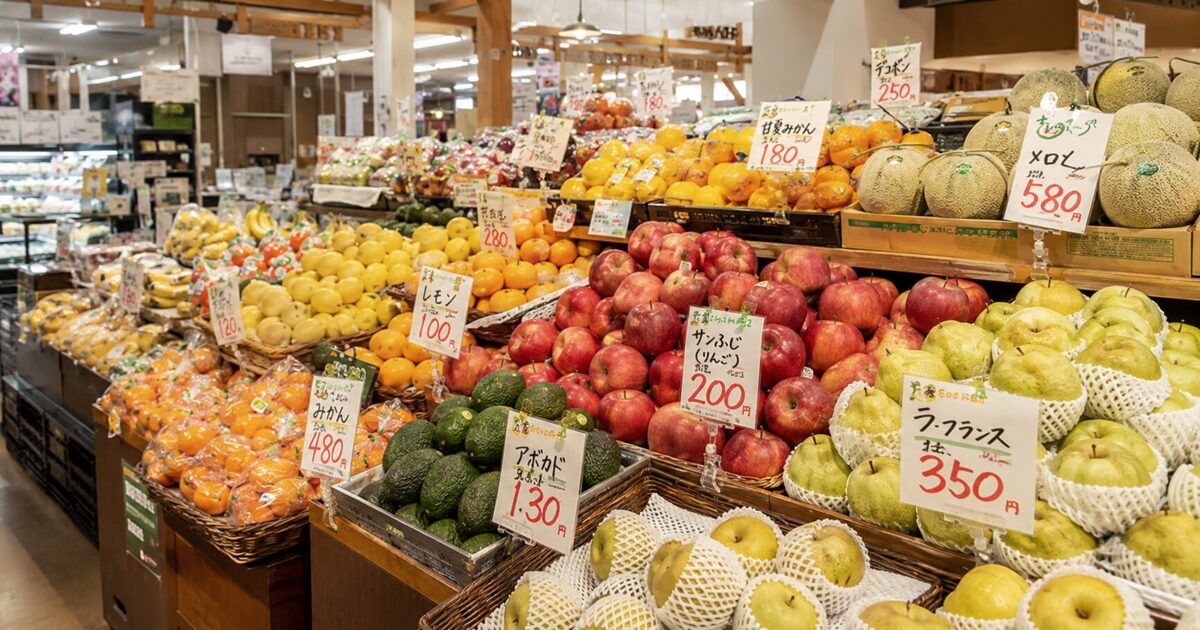
The first thing to know is that not all fruit in Japan is expensive.
If you visit a local supermarket, you’ll find bananas, apples, mandarins, and kiwis at fairly reasonable prices. Depending on the season, persimmons and strawberries are also everyday fruits enjoyed by many households.
Department stores and luxury supermarkets, however, offer a completely different experience.
Perfectly packaged melons.
Peaches with flawless shapes.
Shine Muscat grapes displayed like precious jewels.
These aren’t fruits meant for everyday meals. They’re products intended for special occasions.
In other words, Japan has two very different fruit cultures.
One is fruit for everyday life.
The other is premium fruit for gifts and celebrations.
When people overseas talk about “expensive Japanese fruit,” they’re usually referring to this second category.
Why Are Premium Fruits So Expensive?
The price of premium fruit isn’t determined by Japan’s cost of living alone.
Of course, Japan has limited farmland, relatively high labor costs, and many farming tasks are still done by hand. All of these factors affect the final price.
But perhaps the biggest reason is Japan’s relentless pursuit of quality.
For premium fruit, sweetness isn’t the only thing that matters.
Aroma.
Color.
Shape.
Size.
Even the absence of tiny blemishes.
Appearance itself is considered part of the product’s quality, and achieving that standard requires an enormous amount of time, skill, and care.
Small imperfections that might be overlooked elsewhere can significantly affect a fruit’s value in Japan.
Fruit Grown with Extraordinary Care
Japan’s premium fruit is often cultivated more like a handcrafted work of art than an ordinary agricultural product.
Farmers thin out developing fruit so that each remaining piece receives more nutrients.
Individual fruits may be protected with paper bags to prevent scratches and sun damage.
Sunlight, watering, and growing conditions are carefully monitored throughout the season.
Harvesting is done only when the fruit has reached its ideal flavor.
Not every farm follows the same methods, of course.
However, many premium fruit growers focus on producing fewer fruits of exceptional quality rather than simply increasing volume.
That attention to detail is one of the reasons why a single piece of fruit can become something truly special.
Fruit Is Also a Gift
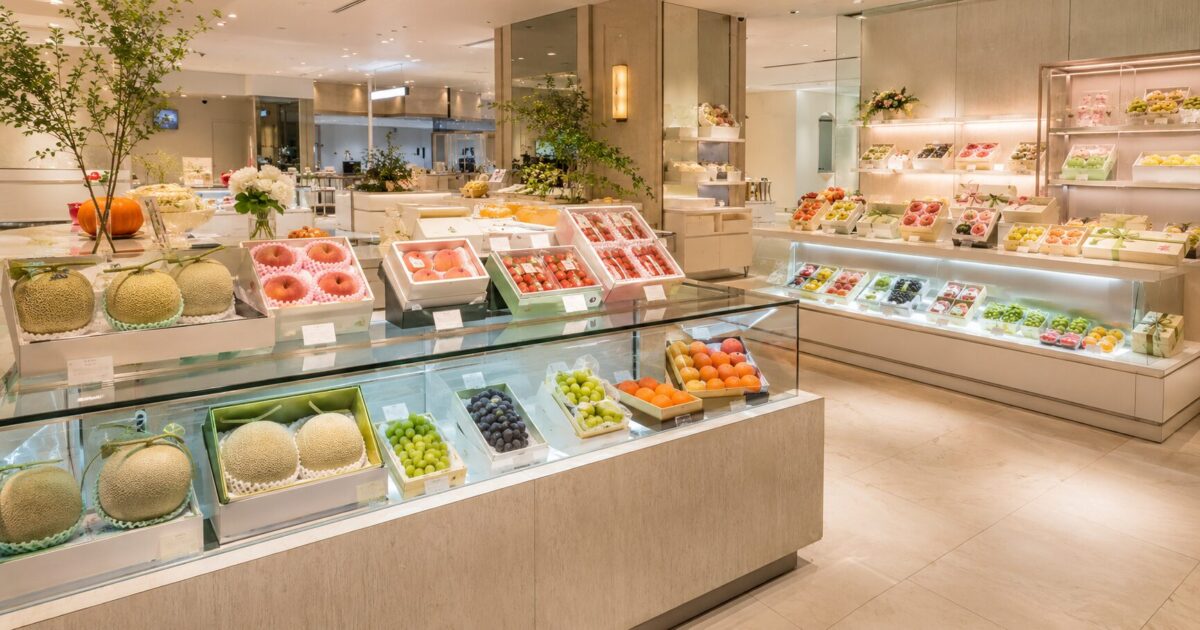
In many countries, fruit is simply an everyday food.
In Japan, it often carries a different meaning.
Premium fruit is not only something to eat—it can also be a thoughtful gift.
For celebrations.
To wish someone a speedy recovery.
Or as a special souvenir when visiting family, friends, or business associates.
Beautifully boxed melons and grapes are common choices for these occasions.
One place that symbolizes this culture is Sembikiya, a historic fruit specialty store in Tokyo that has been selling premium fruit since the 19th century.
Its displays often resemble jewelry showcases more than grocery shelves, reflecting Japan’s unique approach to presenting fruit as something elegant and meaningful.
At first glance, the prices may seem surprisingly high.
But what customers are paying for isn’t only the fruit itself.
They’re also paying for the care, presentation, and the message of appreciation or respect that the gift is meant to convey.
When international visitors are amazed by Japan’s fruit displays, they may actually be discovering a cultural tradition rather than simply an expensive grocery store.
Do Japanese People Eat Fruit Every Day?
This may come as a surprise, but many Japanese people don’t eat large amounts of fruit every day.
Of course, eating habits vary from household to household, but many people feel that fruit is relatively expensive.
It also takes time to peel, cut, and prepare.
For people living alone, buying a large amount of fruit can mean not finishing it before it goes bad.
In addition, Japan offers many other convenient choices for snacks and light meals, such as yogurt, traditional Japanese sweets, bread, and convenience store desserts.
Even for a quick refreshment, many people choose green tea or other drinks instead of fruit.
In many Western countries, fruit is often part of a daily breakfast, snack, or lunch.
In Japan, however, fruit is more often seen as something seasonal to be enjoyed, or as a small luxury rather than an everyday staple.
I don’t eat fruit every day either. Most mornings, I only have a banana or a kiwi with breakfast from time to time.
Still, I look forward to enjoying strawberries and loquats in spring, cherries and watermelon in summer, grapes and Japanese pears in autumn, and apples and mandarins in winter.
When seasonal fruit begins to appear in supermarkets, I find myself thinking, “Another season has arrived.”
For me, fruit is more than something to eat. It’s one of the small pleasures that reminds me of the changing seasons in Japan.
Where Travelers Can Enjoy Fruit in Japan
You don’t have to buy an expensive melon from a specialty fruit shop to experience Japanese fruit.
Supermarkets and department store food halls are excellent places to find seasonal fruit in smaller quantities.
You’ll also find plenty of fruit used in cakes, parfaits, and other desserts.
Roadside stations, known as Michi-no-Eki, often sell fresh local fruit directly from nearby farms.
Fruit parlors are another uniquely Japanese experience, serving beautiful seasonal parfaits and desserts that showcase the best fruit of the season.
Even convenience stores now sell freshly cut fruit, making it easy to enjoy while traveling.
If you’re visiting Japan, I especially recommend trying strawberries, mangoes, Shine Muscat grapes, Japanese pears, cherries, and peaches.
Fruit Picking in Japan: A Unique Seasonal Experience
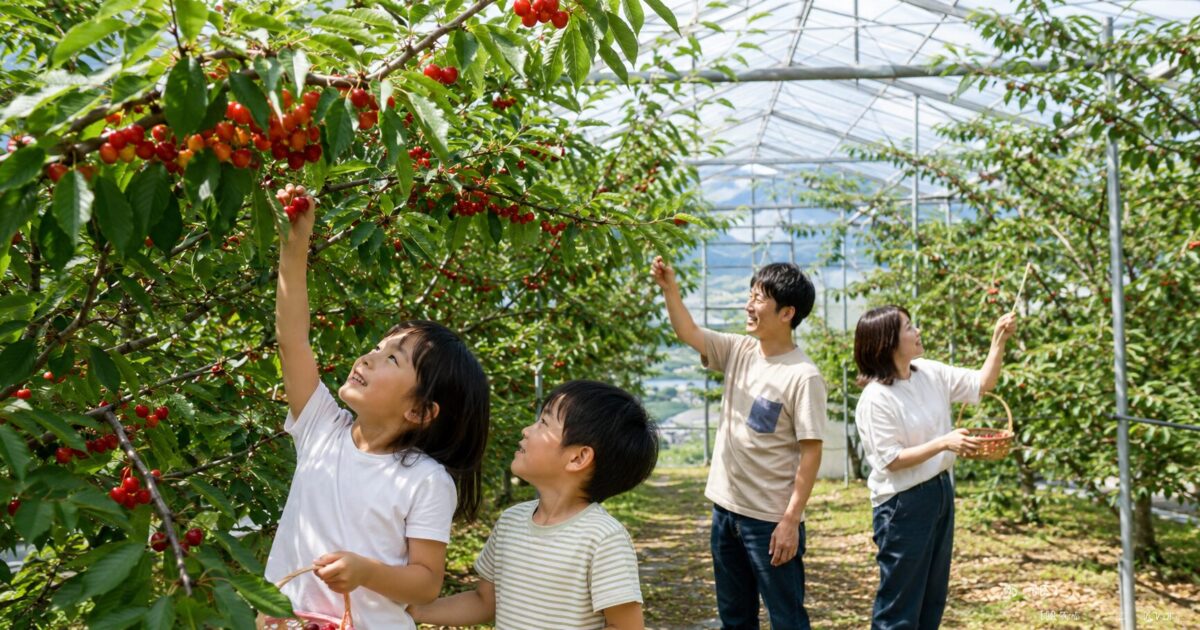
In Japan, enjoying fruit isn’t only about buying it. It’s also about harvesting it yourself.
Across the country, many farms welcome visitors for seasonal fruit-picking experiences.
Spring is famous for strawberry picking.
Summer brings peaches and grapes.
Autumn is the season for grapes, pears, and apples.
Depending on the region, you can also enjoy picking cherries, blueberries, or mandarins.
Eating fruit that you’ve picked with your own hands is a wonderful way to experience Japan’s changing seasons.
Rather than simply admiring premium fruit in a display case, you can enjoy the scenery, fresh air, and the flavors of the countryside at the same time.
It’s another side of Japan’s fruit culture that many visitors never expect.
More Than Just Expensive Fruit
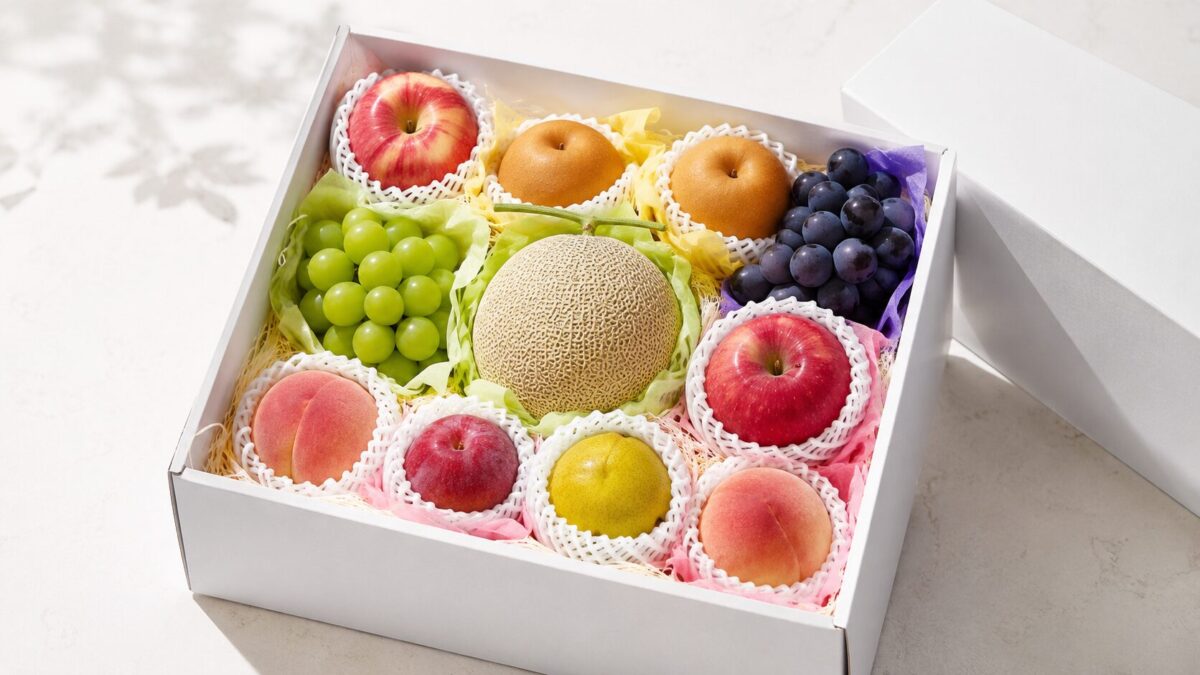
Japanese fruit isn’t expensive simply because prices are higher.
Behind every beautifully grown piece of fruit are values that have shaped Japanese culture for generations.
A deep appreciation for the seasons.
A commitment to beauty and craftsmanship.
The careful work of farmers.
And a tradition of expressing gratitude through thoughtful gifts.
Japan also has a habit of continuously refining ordinary things until they become exceptional.
Fruit is no exception.
In Japan, fruit is often valued not for how much you can eat, but for how carefully you can enjoy it.
That way of thinking may be what makes Japanese fruit feel so special.
The next time you see an expensive melon or a perfectly arranged box of peaches, remember that you’re looking at more than just fruit.
You’re seeing Japan’s craftsmanship, seasonal traditions, and culture of thoughtful gift-giving brought together in a single product.
If you have the chance to visit Japan, be sure to try some of its fruit for yourself.
You may discover that every bite tells a small story about everyday life in Japan.