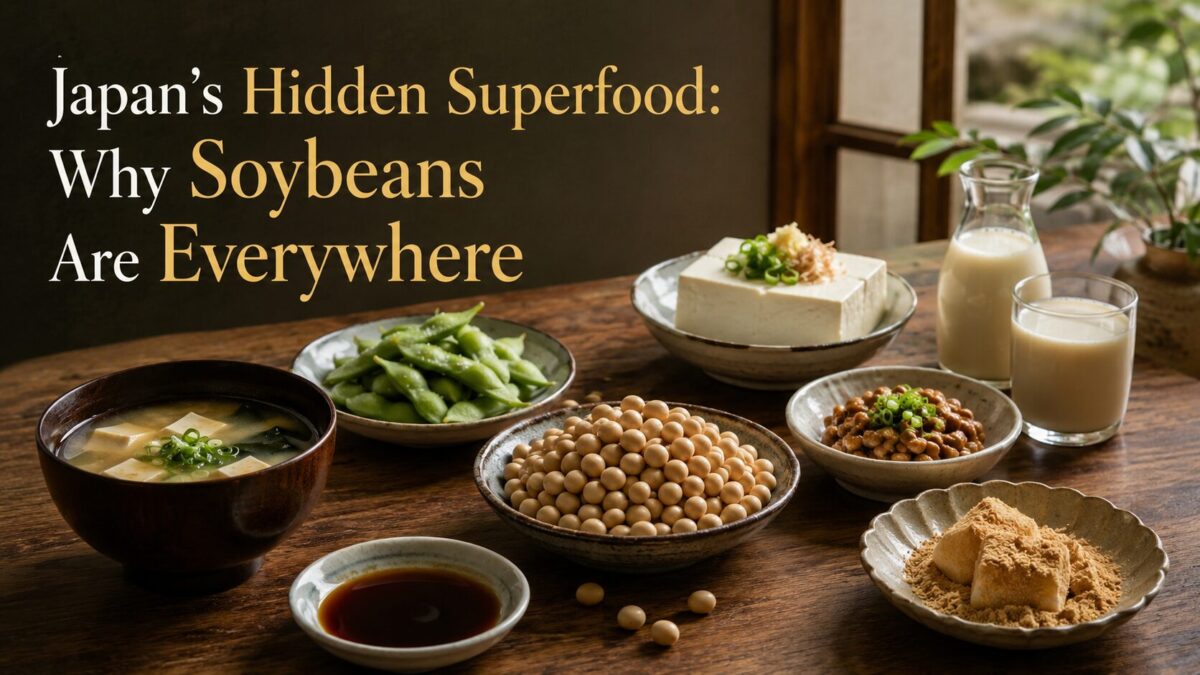
When you eat in Japan, you may consume soybeans several times without even realizing it.
The miso soup served at breakfast. The soy sauce beside your sushi. The edamame ordered at an *izakaya*, a casual Japanese pub. The chilled tofu that comes with a set meal. Even Japanese sweets covered with kinako.
They look different, taste different, and have completely different textures. Yet all of them come from the same soybean.
Soybeans rarely appear as the glamorous centerpiece of a meal. Instead, they transform into seasonings, soups, side dishes, drinks, and sweets, quietly appearing throughout the Japanese table.
Overseas, soy is often promoted as a healthy source of plant-based protein. In Japan, however, it is not a newly discovered wellness trend. It is an ordinary ingredient that has been woven into everyday life for centuries.
Soybeans are Japan’s hidden superfood, quietly supporting its flavors, nutrition, and daily food culture.
One Soybean Becomes Many Different Foods
One of the most remarkable things about soybeans is how completely they can change depending on when they are harvested and how they are processed.
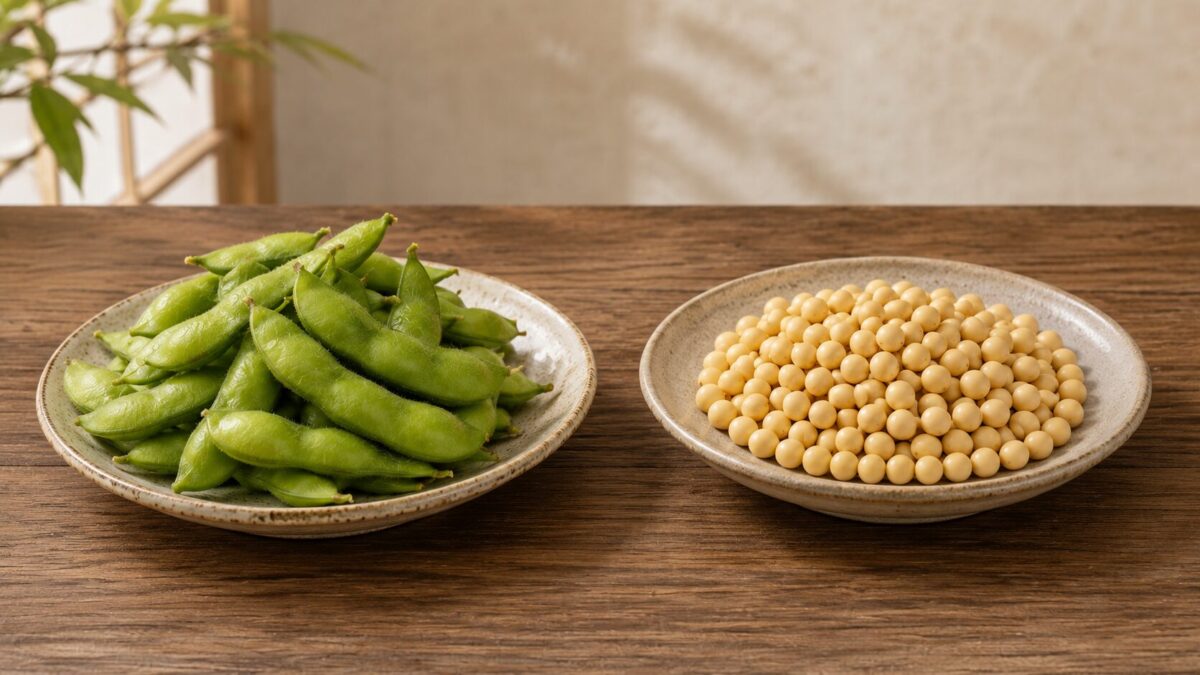
Edamame, now widely enjoyed overseas as a healthy snack, is not a separate type of bean.
**Edamame is simply a soybean harvested while it is still young, green, and immature.**
Because edamame and mature soybeans look and taste so different, many people do not realize that they come from the same plant.
When mature soybeans are soaked, ground, and strained, they produce soy milk. Adding a coagulant to soy milk turns it into tofu.
When soy milk is heated, a delicate film forms on the surface. This is called *yuba*, or tofu skin. It can be eaten fresh, served almost like sashimi, or used in simmered dishes and traditional Buddhist cuisine.
Thin slices of tofu can be fried to make *aburaage*, while tofu that has been frozen and dried becomes *koya-dofu*, a firm and absorbent form of preserved tofu.
Roasting and grinding soybeans produces *kinako*, a fragrant soybean powder commonly used in mochi and other Japanese sweets.
Soybeans can also be fermented to create miso, soy sauce, and natto.
One bean can become soft tofu, delicate yuba, strongly scented natto, or soy sauce filled with saltiness and umami.
In this sense, the soybean is almost like a culinary chameleon, changing its flavor, aroma, appearance, and texture depending on how it is treated.
Soy Is Hidden Throughout Japanese Food
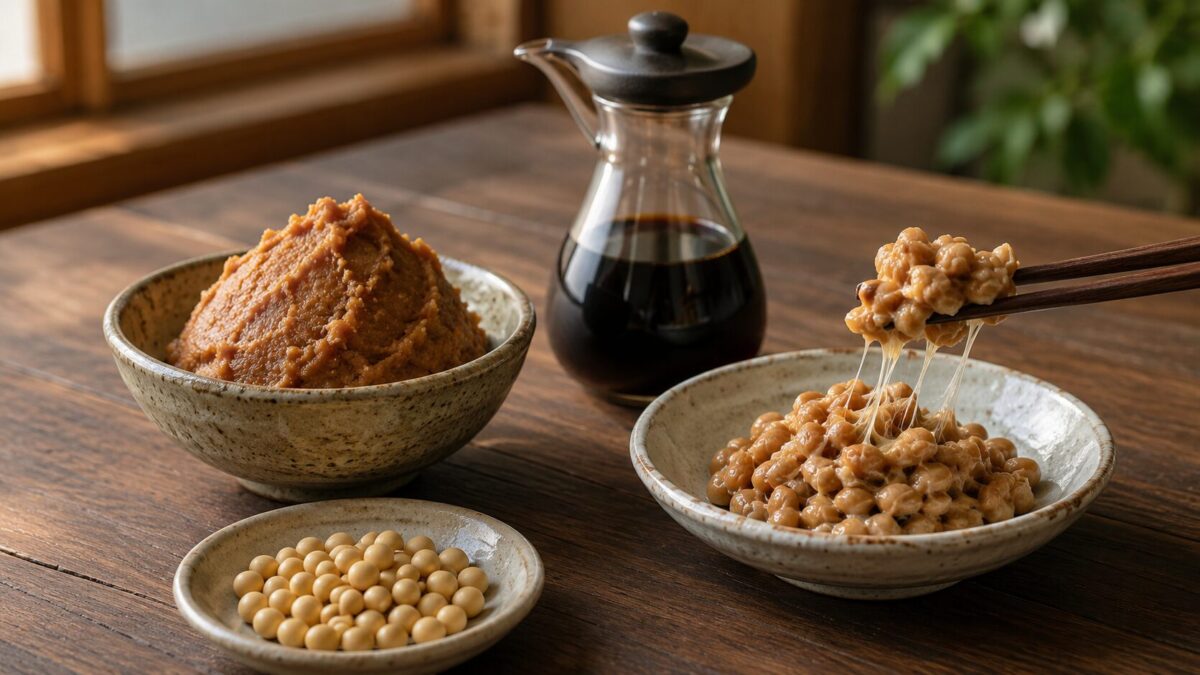
Tofu and natto are easy to recognize as soybean foods.
Soy sauce and miso are different. By the time they reach the table, almost nothing remains of the soybean’s original appearance. As a result, people often consume soy several times a day without consciously thinking about it.
Miso is not used only in miso soup. It also appears in marinated fish and meat, miso-based stews, grilled dishes such as *dengaku*, stir-fries, and hot pots.
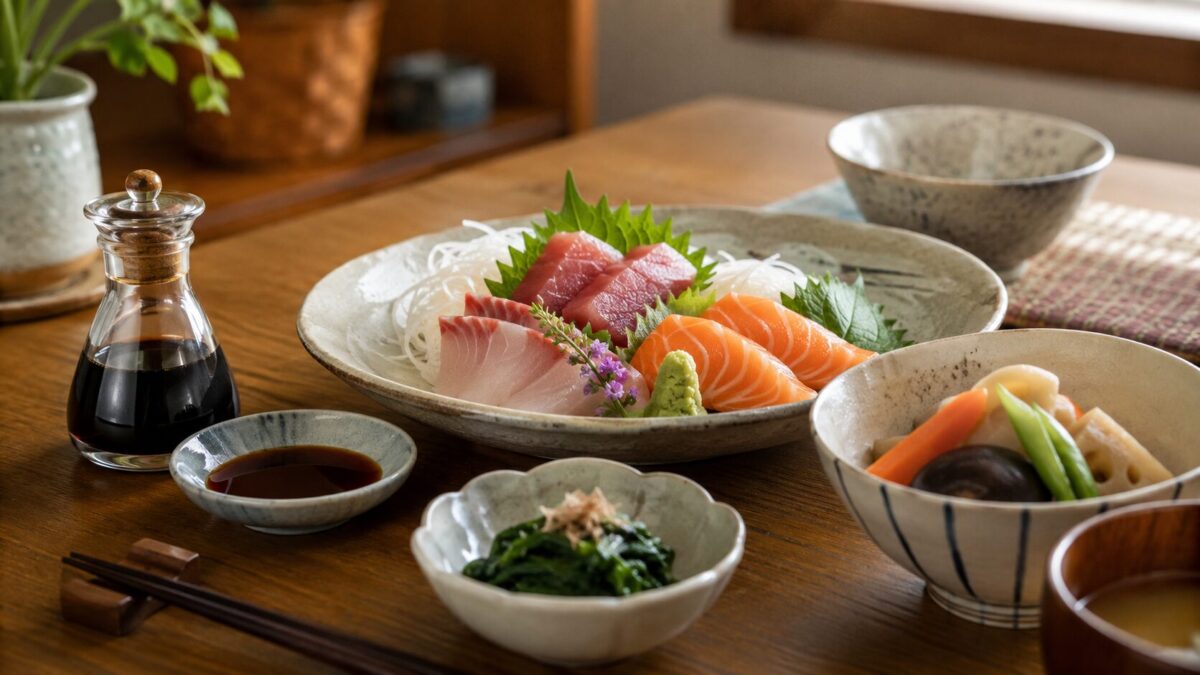
Soy sauce is equally widespread. It is used with sushi and sashimi, but also in simmered dishes, noodle sauces, rice-bowl sauces, marinades, dressings, and many other everyday foods.
Soybeans are therefore more than one ingredient or one side dish.
They form an almost invisible foundation beneath the flavors of Japanese cooking.
When Did Soybeans Become Important in Japan?

The relationship between soybeans and Japan is much older than the modern health-food movement.
Soybeans are thought to have arrived in Japan from the Asian continent around 2,000 years ago. They were being cultivated by the Yayoi period, and by the Nara period, fermented soybean products related to the ancestors of miso and soy sauce were already being used.
At first, these fermented seasonings were not ordinary foods available to everyone.
A fermented seasoning known as *hishio*, introduced from China, was considered valuable and was mainly eaten by people of higher social status.
Over time, miso became important because it could be stored and provided a useful source of protein. During the Sengoku period, it was also carried as military provisions by samurai. By the Edo period, miso had spread widely among ordinary households.
Soy sauce also developed gradually.
During the medieval period, liquid produced during miso making is believed to have contributed to the development of tamari-style soy sauce. Soy sauce closer to the form we know today appeared around the end of the Muromachi period, and its production and distribution expanded significantly during the Edo period.
Through this long process, soybeans became more than a crop.
They became one of the ingredients that shaped the flavor of Japanese cuisine itself.
Soy was not suddenly discovered as a superfood. Generations of people refined ways to ferment, press, solidify, fry, and preserve it until it became deeply embedded in daily life.
Rice and Soybeans Have Supported the Japanese Table Together
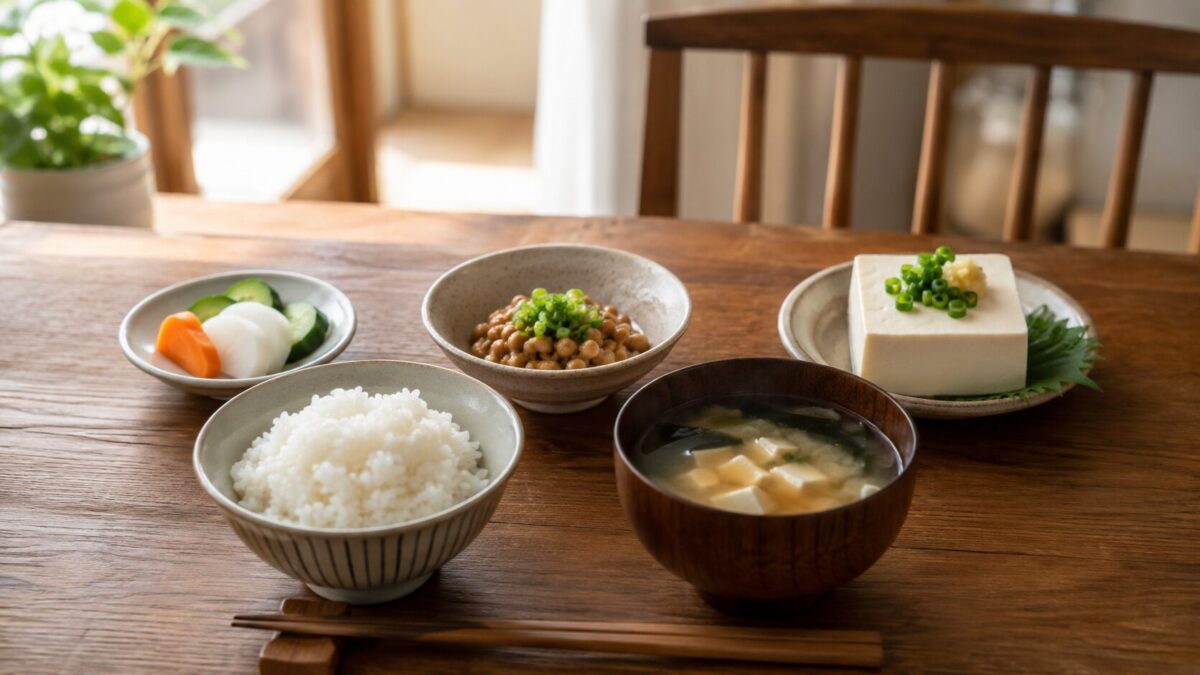
Rice and soybeans have long played complementary roles in Japanese food culture.
Rice has traditionally provided the main source of carbohydrates and energy.
Soybeans, meanwhile, add flavor through miso and soy sauce, while tofu and natto provide side dishes and plant-based protein.
A simple meal of rice, miso soup, natto, and chilled tofu shows how clearly these two ingredients support different parts of the same table.
Rice sits at the center of the meal. Soy appears around it, adding flavor, umami, texture, and nutrition.
They are not competing ingredients. They work together.
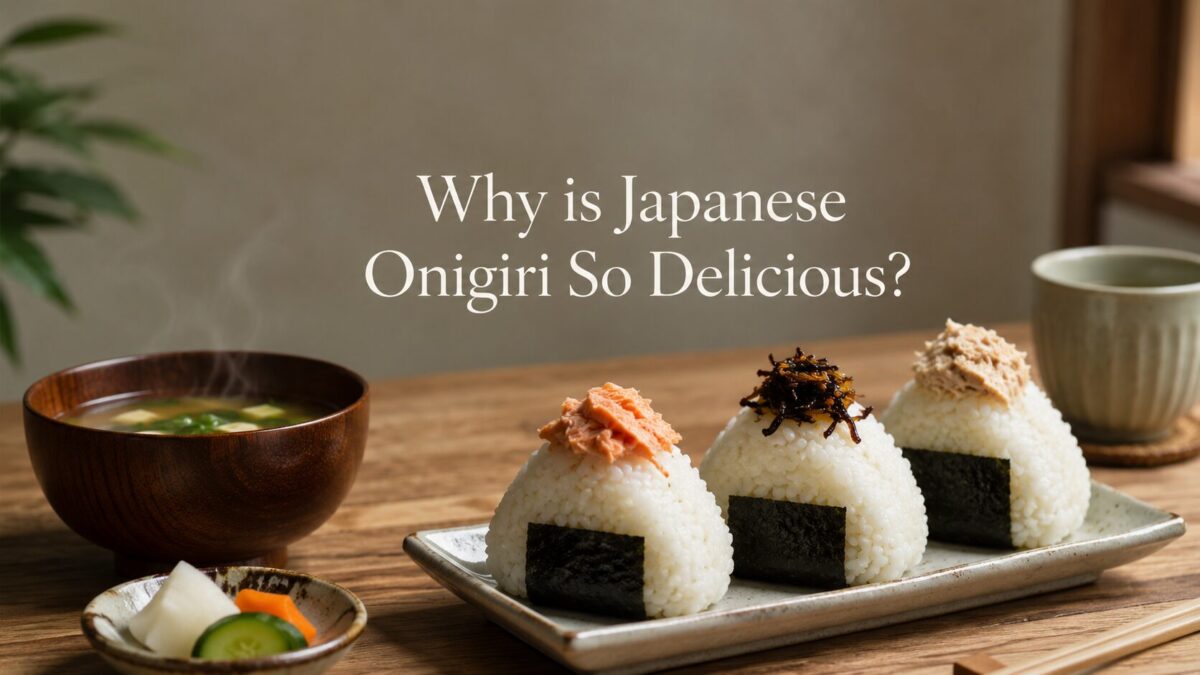
In my article “Why Is Japanese Onigiri So Delicious?,” I looked at how Japanese rice supports one of the country’s simplest and most familiar foods.
If onigiri represents Japan’s rice culture, then miso, soy sauce, tofu, and natto represent its soybean culture.
Rice gives the meal its basic structure.
Soybeans give it flavor, umami, and protein.
Why Can Soybeans Be Called a Superfood?
The term “superfood” does not have one universally accepted scientific definition.
It is generally used to describe foods that are nutrient-rich and easy to include in a balanced diet.
Soybeans are rich in plant-based protein and have long been known in Japan as *hatake no niku*, or “meat from the fields.” They also contain fats and dietary fiber, and they can be eaten in many different forms, including tofu, natto, and soy milk.
For these reasons, soy has attracted global interest as a plant-based protein source. It is widely used in vegan foods and meat alternatives.
However, it would be too simplistic to say that Japanese food is healthy only because it contains soy.
Japanese meals are built from combinations of rice, fish, meat, vegetables, seaweed, mushrooms, and fermented foods. Soy sauce and miso also contain salt, and the role of any food depends on how much is eaten and what it is served with.
Soybeans alone do not create the healthy image associated with Japanese cuisine.
Their importance lies in their versatility. They make it easier to include plant-based protein and other nutrients in everyday meals, not as a special supplement but as part of familiar dishes.
That is what makes soybeans Japan’s hidden superfood.
For Japanese People, Soy Is Ordinary Rather Than Special
Most people in Japan do not begin each meal by thinking, “I should eat soy today.”
They may have miso soup or natto at breakfast, buy *inarizushi* for lunch, serve chilled tofu with dinner, add tofu to a hot pot, or dip sushi and sashimi in soy sauce.
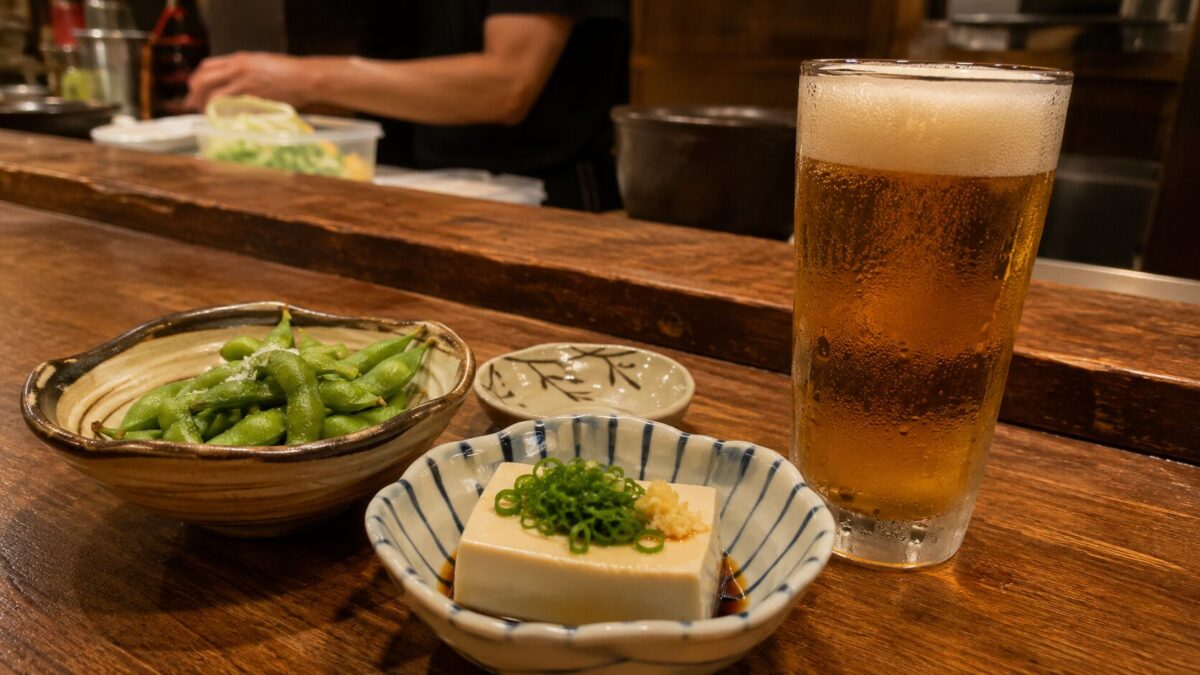
After work, someone might stop at an izakaya and order boiled edamame sprinkled with salt as one of the first snacks with a drink.
Soy is eaten naturally through these small daily habits.
I am no exception. I eat some form of soybean product almost every day.
Boiled edamame with a little salt is one of my favorite summer snacks, and I also eat natto regularly. Soy sauce is essential when I eat sashimi or *ohitashi*, vegetables that have been lightly cooked and served with a seasoned broth.
Miso is, of course, indispensable whenever I make miso soup.
I also love *kinako mochi*: soft rice cakes coated with sugar and kinako, the fragrant powder made from roasted soybeans.
I rarely stop to think that all these foods come from the same ingredient. They are simply part of ordinary life.
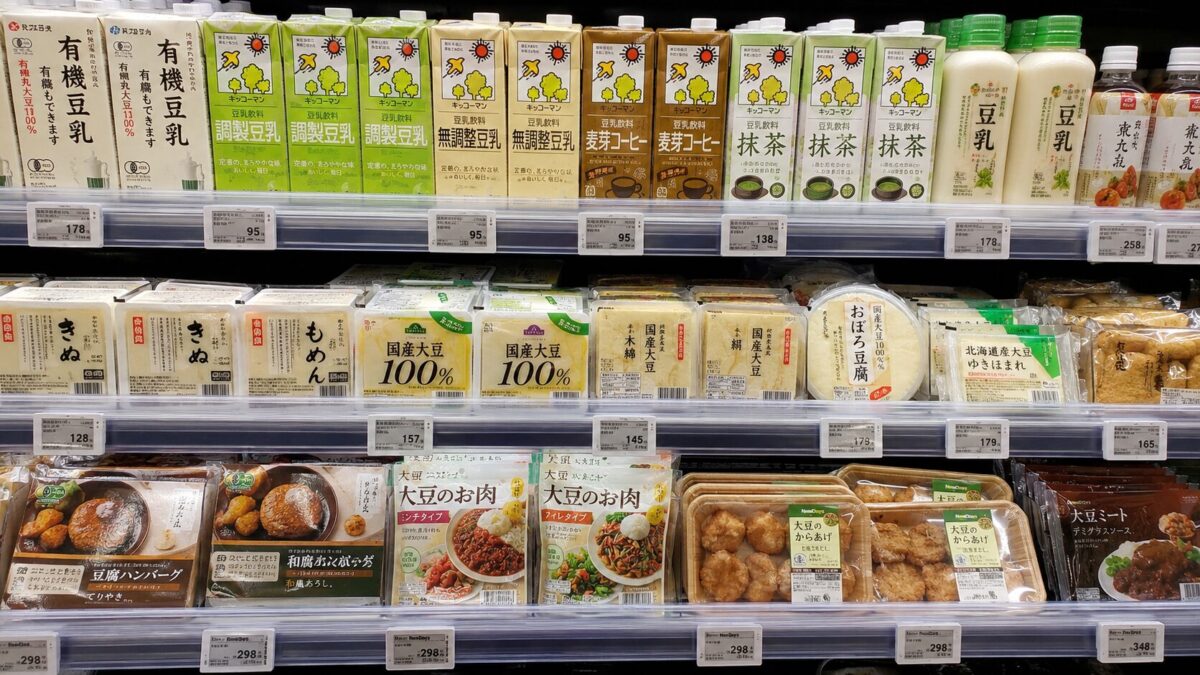
In recent years, the uses of soy have expanded further. Convenience stores and supermarkets sell many varieties of soy milk, cafés offer soy lattes, and foods such as tofu hamburg steaks and soy-based meat alternatives have become more common.
But soybeans were part of the Japanese table long before these modern products appeared.
A food that has recently gained attention overseas as a superfood has been eaten in Japan for centuries in the form of miso soup, tofu, natto, and soy sauce.
For Japanese people, soy is not a special trend.
Like rice, it is one of the essential ingredients of everyday life—so familiar that its importance can be easy to overlook.