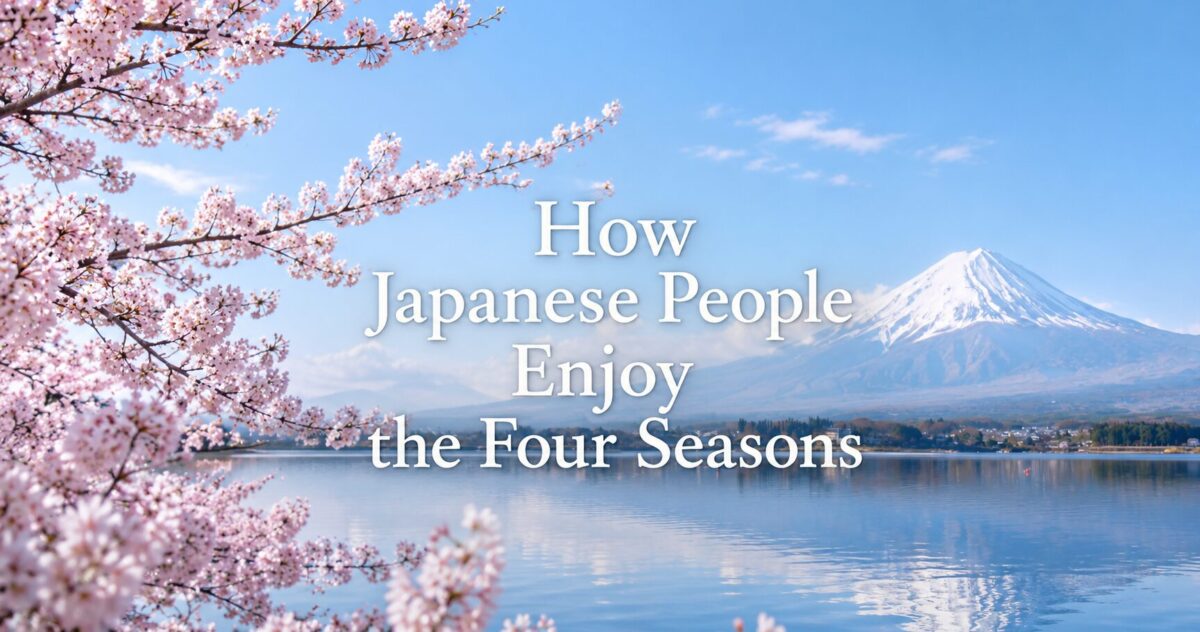
When you travel around Japan, one thing quickly becomes apparent: the changing seasons are reflected everywhere in everyday life.
In spring, cherry blossoms bloom, and cafés and convenience stores begin offering cherry blossom-flavored sweets and drinks.
In summer, fireworks festivals and local summer festivals take place, while convenience stores fill their shelves with cold noodles and ice cream.
In autumn, mountains turn brilliant shades of red and gold, and sweets made with chestnuts and sweet potatoes begin to appear.
In winter, cities sparkle with illuminations, and families gather around steaming hot pot meals.
For Japanese people, the seasons are much more than changes in temperature.
They influence food, festivals, nature, clothing, and even the rhythm of everyday life.
So how do Japanese people enjoy the four seasons throughout the year?
- Why Do the Four Seasons Matter So Much in Japan?
- Spring Begins with Cherry Blossoms
- Summer Is a Season of the Sea, Festivals, and Fireworks
- Autumn Is a Season to Enjoy Nature and Food
- Winter Is About Sharing Warmth
- Seasonal Products Are Another Way to Enjoy the Four Seasons
- How Can Travelers Enjoy the Four Seasons?
- The Four Seasons Are Part of Everyday Life in Japan
Why Do the Four Seasons Matter So Much in Japan?
For centuries, Japanese people have embraced the changing seasons as an important part of daily life.
They admire cherry blossoms.
They enjoy autumn leaves.
They eat seasonal ingredients at their peak.
They attend summer festivals and fireworks displays.
During the cold winter months, families and friends gather around warm meals.
Traditional Japanese culture also reflects this deep appreciation for the seasons. Haiku poetry, waka poetry, tea ceremonies, and traditional Japanese sweets all incorporate seasonal words, colors, and motifs.
The seasons don’t change all at once.
Flowers begin to bloom.
The sun sets a little later.
The breeze becomes cooler.
The foods displayed in shops gradually change.
Japanese people often sense the arrival of a new season through these small, everyday changes.
Spring Begins with Cherry Blossoms
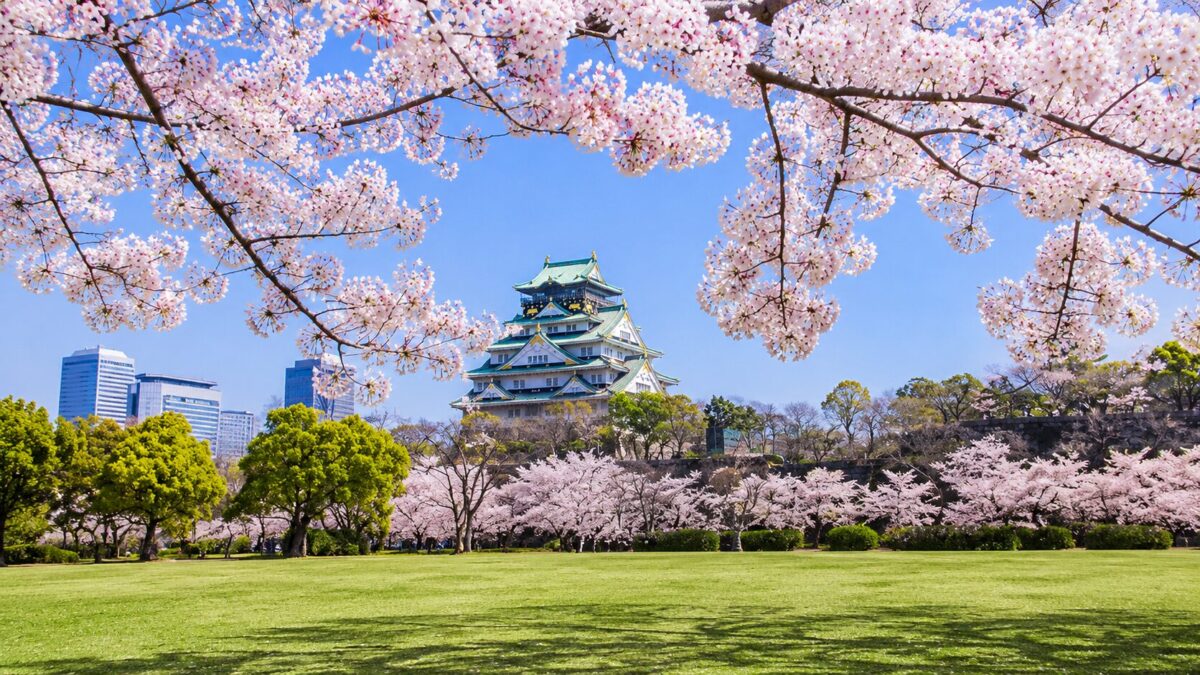
Nothing symbolizes spring in Japan more than cherry blossoms.
From March to April, cherry trees begin blooming in parks, along rivers, at schools, shrines, castles, and countless other places across the country.
One of spring’s most beloved traditions is hanami, when families, friends, and coworkers gather beneath the blossoms to eat, drink, and enjoy the brief beauty of the season together.
Near where I live in Osaka, Osaka Castle Park and Arashiyama in Kyoto are among the most famous cherry blossom viewing spots.
However, the blooming season is surprisingly short.
After reaching full bloom, the flowers usually last only about ten days to two weeks.
That means checking the weather forecast and cherry blossom reports carefully before deciding when to go.
Perhaps that short lifespan is part of what makes cherry blossoms feel so special.
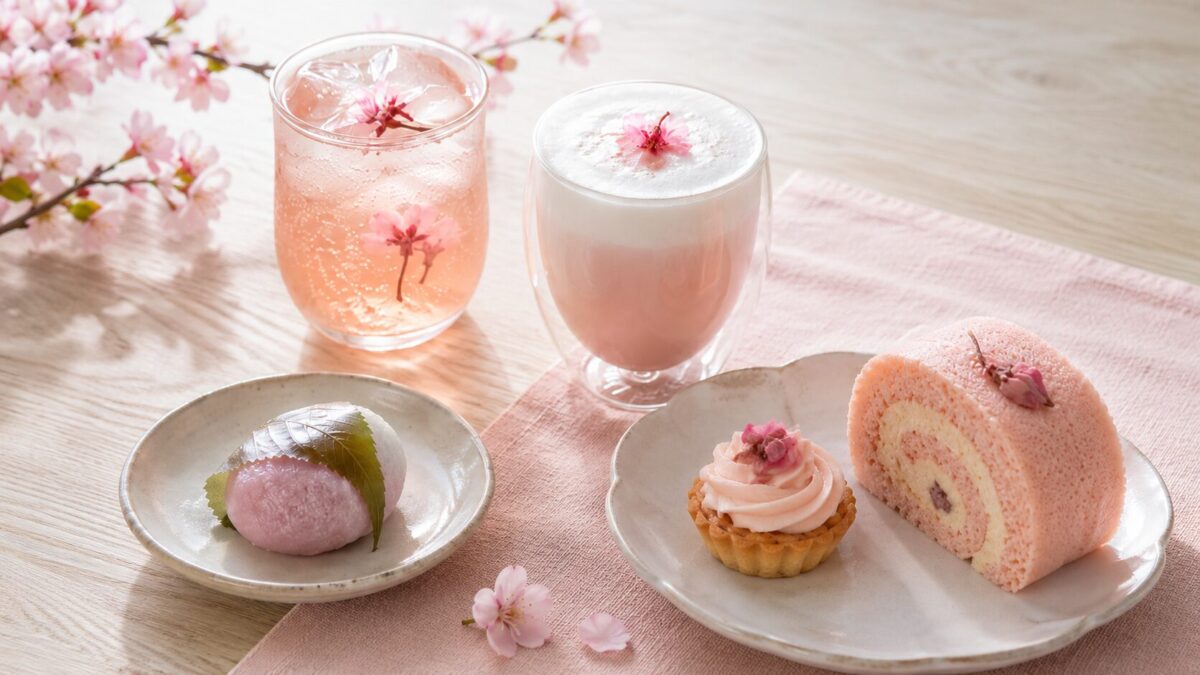
Around the same time, convenience stores and cafés begin selling seasonal sweets and drinks flavored with cherry blossoms and strawberries.
Whenever I see them appear on store shelves, I know that spring has finally arrived.
Summer Is a Season of the Sea, Festivals, and Fireworks

Summer in Japan is hot and humid, making it the most challenging season of the year to spend long hours outdoors.
In recent years, extreme heat has become more common, and each summer seems hotter than the last.
Even so, summer is filled with experiences that can only be enjoyed at this time of year.
Swimming at the beach.
Summer festivals.
Fireworks displays.
Camping in the mountains or by the lakes.
In some regions, river activities and fishing are also popular.
During the summer, I sometimes drive from Osaka to Shirarahama Beach in Wakayama Prefecture or Kotobikihama Beach in Kyoto Prefecture.
Because the Kansai region has such a large population, famous beaches along the Pacific coast are often crowded.
If you prefer a quieter beach, I recommend visiting the Sea of Japan coast in places like Hyogo or northern Kyoto.
The ocean isn’t just for swimming. Many people enjoy fishing for horse mackerel, mackerel, sardines, Japanese whiting, and cutlassfish.
Since it’s an activity that families can easily enjoy together, summer fishing is especially popular.
Fireworks festivals are another essential part of a Japanese summer.
In Osaka, large-scale events such as the Tenjin Festival Fireworks and the Suita Kurawanka Fireworks Festival attract huge crowds every year.
The sight of enormous fireworks blooming across the night sky is unforgettable.
People dressed in colorful yukata, food stalls selling fried chicken, yakisoba, and takoyaki, and the warm, humid evening air all come together to create a scene that feels unmistakably Japanese.
At the same time, cafés, convenience stores, and restaurants begin offering ice cream, cold noodles, shaved ice, and refreshing seasonal menus featuring lemon and lightly salted flavors.
These are all part of how Japan makes the intense summer heat a little more enjoyable.
Autumn Is a Season to Enjoy Nature and Food
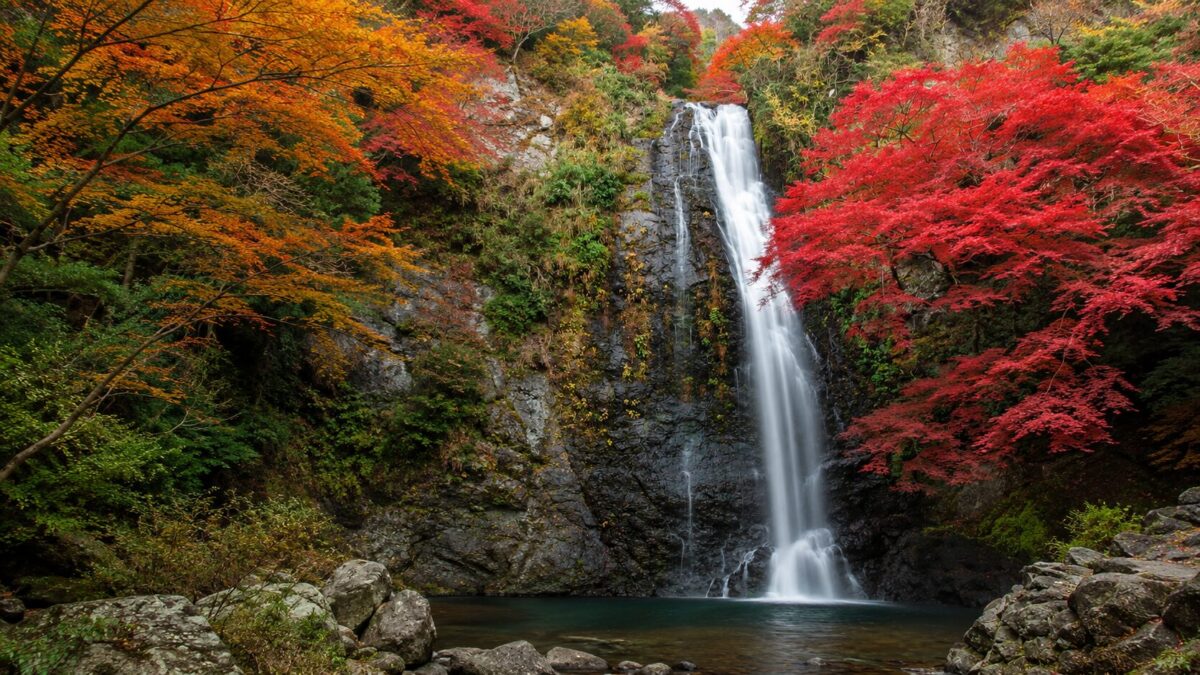
As the hot summer fades and the air becomes cooler, Japan enters the season of autumn leaves.
From October through November, mountains, temples, and parks are transformed by brilliant shades of red, orange, and yellow.
Even in large cities such as Tokyo and Osaka, you can easily reach beautiful mountains and valleys with just a short trip.
Minoh Park in Osaka is famous for the striking contrast between its waterfall and brilliant maple leaves.
In Nara Park, the combination of colorful autumn foliage and freely roaming deer creates one of Japan’s most iconic autumn landscapes.
Autumn is also known as the season of great food.
Chestnuts.
Sweet potatoes.
Pumpkins.
Pears.
Mushrooms.
Pacific saury.
Many vegetables, fruits, and seafood reach their peak during this season.
Japan even has a proverb: Ten takaku uma koyuru aki—”Autumn, when the sky is high and horses grow fat.”
It describes autumn as a season of clear skies, healthy appetites, and abundant harvests.
Convenience stores and supermarkets also begin filling their shelves with seasonal desserts made from chestnuts and sweet potatoes.
Every year, when I see these products appear, I find myself thinking, “Autumn has arrived,” and I almost always end up buying one.
Winter Is About Sharing Warmth
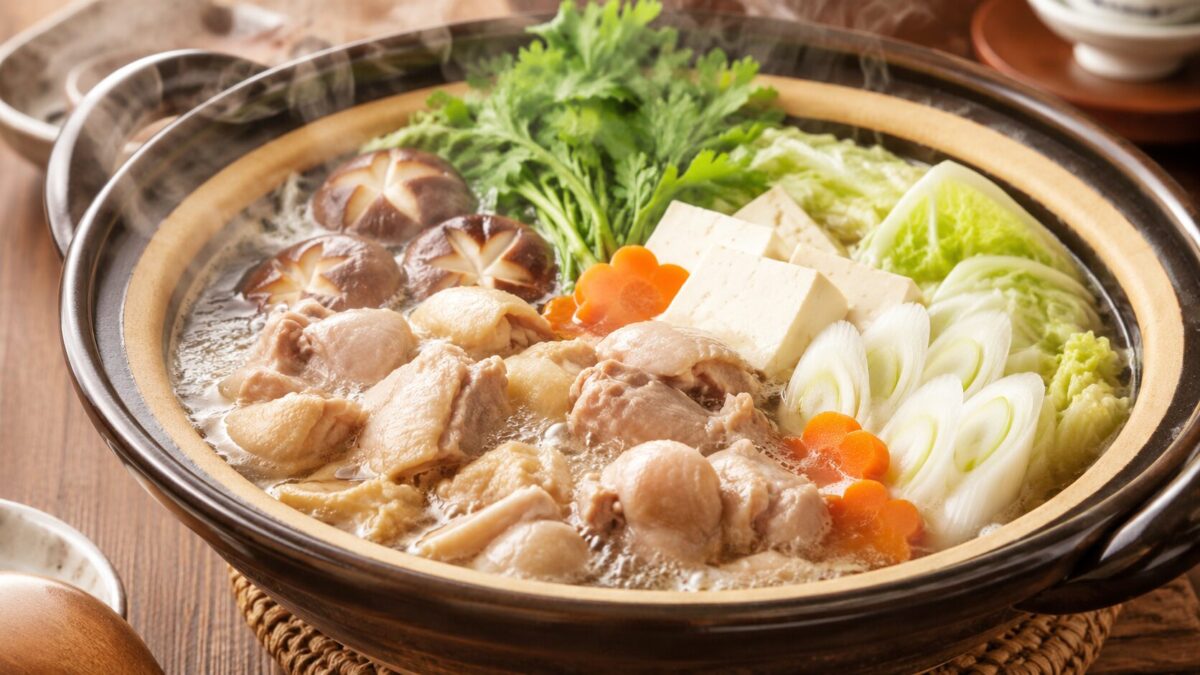
From December to February, snow covers northern Japan and many mountainous regions, and people head to ski resorts to enjoy skiing and snowboarding.
I’m not much of a skier or snowboarder, so for me, winter is all about food.
Nothing represents a Japanese winter better than nabe, or hot pot.
Oden.
Sukiyaki.
Yosenabe.
Motsunabe.
Most Japanese households own a large earthenware or stainless-steel pot, and gathering around it with family or friends is one of the season’s most cherished traditions.
Sharing a steaming hot meal around a single pot is one of the defining images of winter in Japan.
Another familiar winter tradition is sitting under a kotatsu while eating mandarins.
Beyond food, winter is also famous for its beautiful illuminations.
Across the Kansai region, including Osaka Castle and Midosuji Avenue, streets and buildings are decorated with spectacular light displays.
Despite the cold weather, these events attract countless families and couples every year.
At convenience stores, steamed buns and oden begin appearing near the entrance.
For me, simply seeing those displays is one of the small signs that winter has arrived.
Seasonal Products Are Another Way to Enjoy the Four Seasons
In Japan, countless limited-edition products are released every time the seasons change.
Spring brings cherry blossom and strawberry flavors.
Summer features refreshing lemon and lightly salted products.
Autumn is filled with chestnuts, sweet potatoes, and pumpkin.
Winter brings strawberries and chocolate.
You can easily enjoy these seasonal flavors through convenience store desserts, café drinks, and family restaurant menus. It’s one of the uniquely Japanese ways to experience the changing seasons in everyday life.
While many of the same seasonal ingredients return each year, the recipes, flavor combinations, and packaging are often updated.
People often say that Japanese consumers love the word “limited edition.”
But perhaps what they truly love is not the limited quantity, but the feeling that something can only be enjoyed right now.
When spring ends, cherry blossom products disappear from store shelves.
When autumn passes, chestnut and sweet potato desserts are gone as well.
Because they’re only available for a short time, many people find themselves thinking, “I should enjoy it while I can.”
Seasonal products are a simple but meaningful way to experience Japan’s four seasons in everyday life.
How Can Travelers Enjoy the Four Seasons?
If you’re visiting Japan, don’t just focus on famous tourist attractions.
Pay attention to the seasonal products you see in everyday places.
Convenience stores.
Supermarkets.
Cafés.
Department store food halls.
Roadside stations.
Each offers foods and products that can only be found during that particular season.
If you see signs that say “Limited Time Only,” “Seasonal,” “Spring Special,” or “Autumn Special,” don’t hesitate to give them a try.
They might not be available the next time you visit Japan.
It’s also worth checking the timing of cherry blossoms, autumn leaves, fireworks festivals, and local events before your trip, since they vary depending on the location and the year.
Planning around the season will make your visit even more memorable.
The Four Seasons Are Part of Everyday Life in Japan
For Japanese people, enjoying the four seasons isn’t limited to special trips or major festivals.
It’s seeing cherry blossoms on the way to work.
Finding a chestnut dessert at the convenience store.
Sharing a hot pot meal with family on a cold evening.
Walking home beneath winter illuminations.
The seasons can be found in these small, ordinary moments of daily life.
Perhaps what Japanese people truly appreciate is not simply the existence of four distinct seasons, but the gradual passage of time itself—experienced through nature, food, and everyday traditions.
If you ever have the chance to visit Japan, look beyond the famous landmarks.
Notice the flowers blooming around you, the seasonal foods on store shelves, and the subtle changes taking place in everyday life.
There, you’ll discover how the Japanese have quietly celebrated the changing seasons for generations.
Perhaps the beauty of Japan’s four seasons is felt most deeply not at its famous tourist attractions, but in the quiet moments of everyday life.