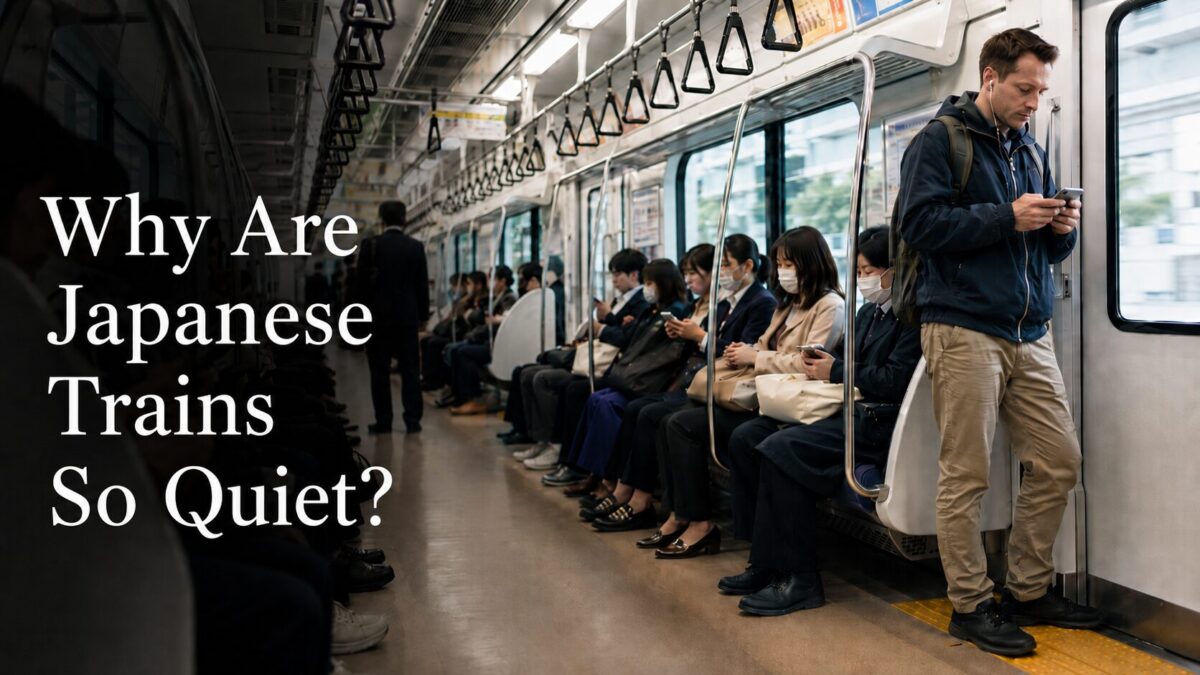
One of the things that surprises many visitors to Japan is that it’s not unusual for a lost wallet or smartphone to find its way back to its owner.
On social media and YouTube, you’ll often come across stories like these:
“I got my lost wallet back with everything still inside.”
“The iPhone I left on the train had been turned in at the station.”
For many people overseas, these stories seem almost unbelievable.
So why do lost items so often make their way back to their owners in Japan?
Do Lost Items Really Come Back?
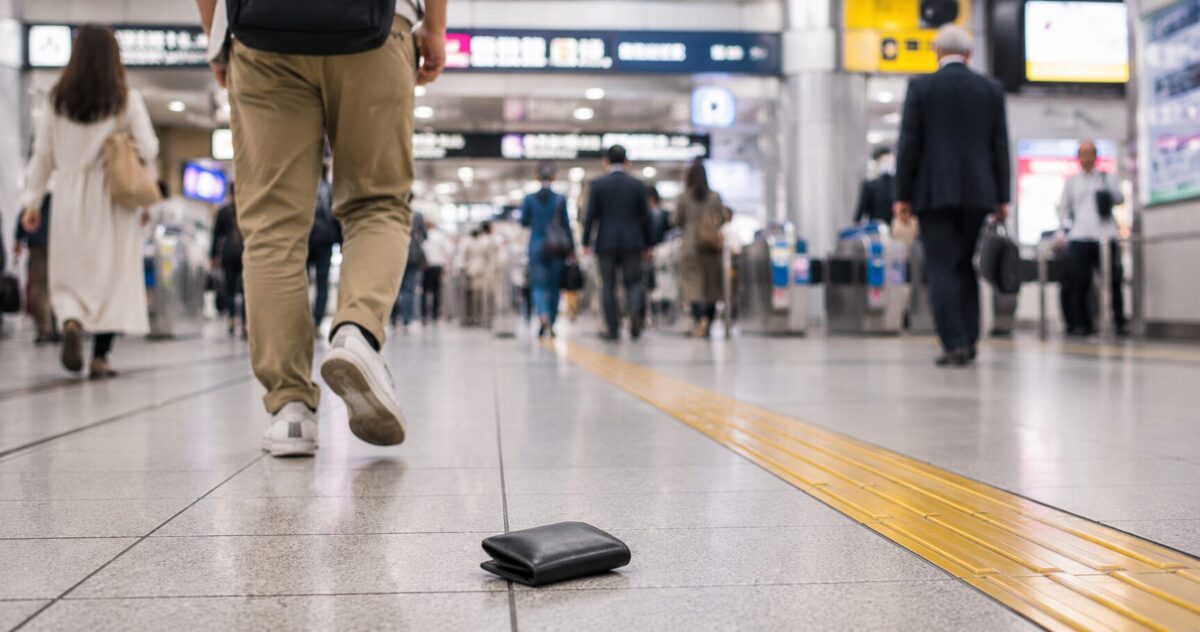
The first thing to know is that lost items don’t always come back.
Of course, some things are never found.
Even so, it’s quite common for wallets, smartphones, commuter passes, keys, and other valuables to be turned in to a police station or a train station.
That’s why, when Japanese people lose something, one of the first things they do is ask the station staff or contact the police.
Many people genuinely believe, “There’s a chance it might come back.”
Returning Lost Items Is Simply the Normal Thing to Do
This is probably the most important point in understanding Japan’s lost-and-found culture.
From childhood, many Japanese people are taught at home and at school, “If you find something that someone has lost, hand it in.”
A lost item doesn’t belong to the person who found it.
It belongs to the person who lost it.
Someone is probably worried about it.
So you return it.
For many Japanese people, this isn’t considered an extraordinary act of kindness.
It’s simply the natural thing to do.
The Role of the Koban”
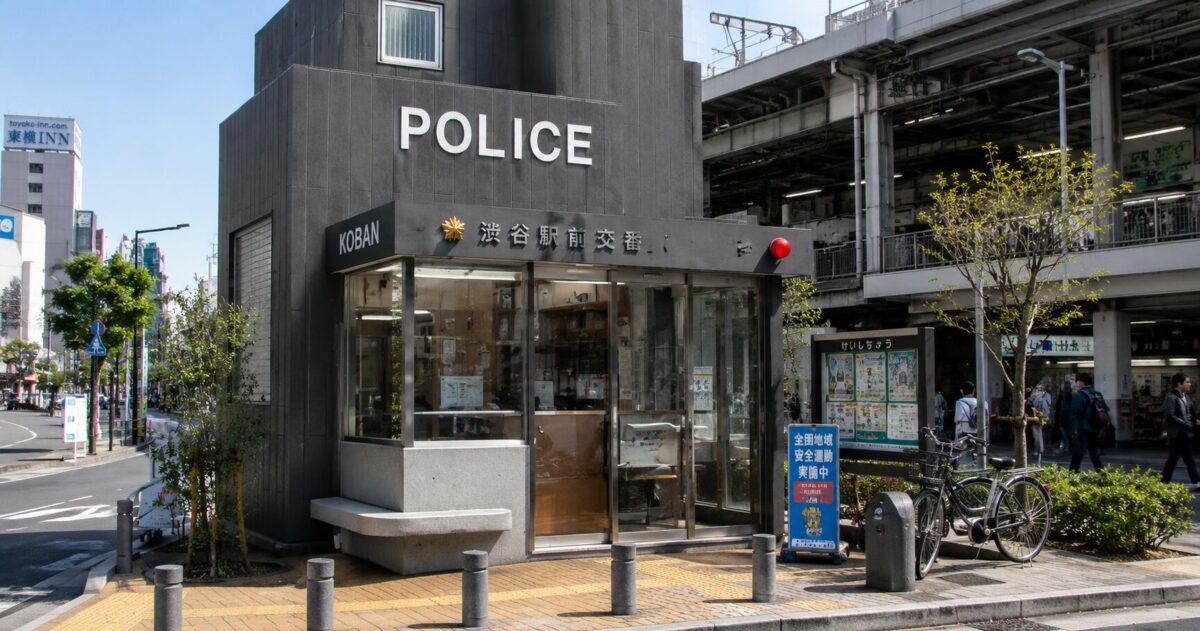
Japan has small neighborhood police stations called “koban(neighborhood police box)”, something that is relatively uncommon in many other countries.
They are located near train stations, in residential neighborhoods, and throughout cities.
In addition to helping keep the community safe, they provide directions, accept lost property, and assist local residents and travelers alike.
Japan’s lost-and-found system is also highly organized under the Lost Property Act and is supported by a nationwide police network.
Items that are turned in are recorded in a database, and if the owner is identified, they can be returned.
Valuable items such as cash, wallets, and smartphones have particularly high return rates, making Japan’s lost-and-found system one of the country’s most remarkable examples of public trust and effective administration.
I’ve Returned Lost Items Too
I have my own memories of returning lost items.
When I was a child, I found a 500-yen coin on the street and took it to a koban.
I still remember how happy I felt when the police officer thanked me and praised me for doing the right thing.
As an adult, I once found an IC transit card in a leather case on a train seat and handed it to a station employee.
Looking back, it probably would have been difficult to find the owner of a single 500-yen coin.
But I hope the IC card made its way back to its owner.
And I’ve often thought about something else.
If I return someone else’s lost belongings, then perhaps one day, if I lose my own wallet or smartphone, someone else will do the same for me.
I feel that Japan is built on countless small moments of trust like this.
Why Do Japanese People Return Lost Items?
Of course, Japan has laws regarding lost property.
There is a legal system that governs found items, and in some cases, the person who returns a lost item may be entitled to receive a reward if the owner is found.
However, that’s not the main reason why most Japanese people hand in lost belongings.
“Someone must be worried.”
“I’d be in trouble too if I lost it.”
And perhaps most importantly:
“If I do the right thing today, maybe someone will do the same for me someday.”
I believe many Japanese people naturally share this way of thinking.
Tips for Travelers
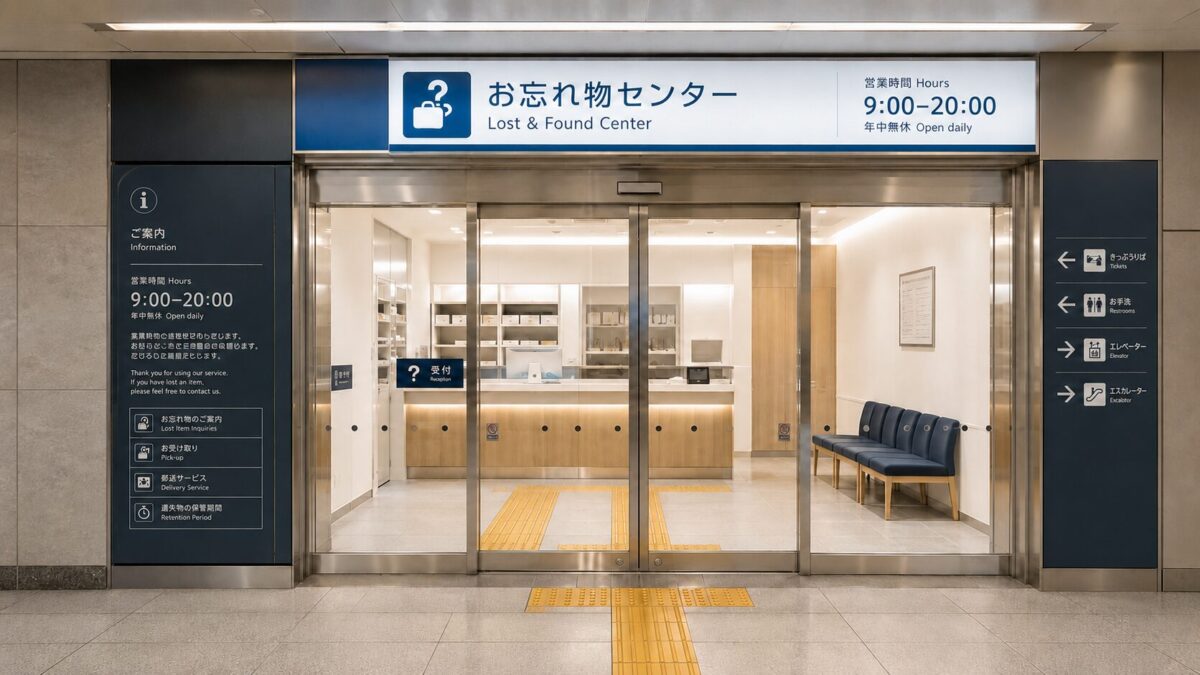
If you lose something while traveling in Japan, don’t give up too quickly.
If you lost it at a train station, speak to the station staff.
If you lost it somewhere in town, visit the nearest koban.
If you think you left it in a shop, restaurant, or other facility, ask the staff there first.
The more details you can provide—such as when and where you lost it, what it looks like, and the circumstances—the greater the chance of finding it.
Japan has one of the highest lost-property return rates in the world.
According to official statistics, approximately 60–70% of lost cash, over 80% of mobile phones, and more than 60% of wallets are eventually returned to their owners.
You might wonder, “How can you prove that cash belongs to you?”
When someone reports lost cash, the police ask detailed questions about where and when it was lost, the exact amount, and even the breakdown of the bills and coins.
If this information matches the details recorded by the person who turned it in, the police can determine who the rightful owner is.
If the cash was inside a wallet, card holder, or envelope, confirming ownership becomes even easier.
In some cases, security cameras or dashcam footage can also help verify a claim.
A Country Where Lost Items Come Back Is a Country Built on Trust
Of course, theft does happen in Japan.
That doesn’t mean you should leave your belongings unattended.
Even so, many people take the time to return lost items because they think, “The person who lost this must be worried.”
Countless small acts of kindness like this help create the trust that Japanese society is known for.
If you ever lose your wallet or smartphone while visiting Japan, don’t panic.
Your first stop should be the nearest station office or koban.
You may be surprised by how good the chances are that your belongings will find their way back to you.