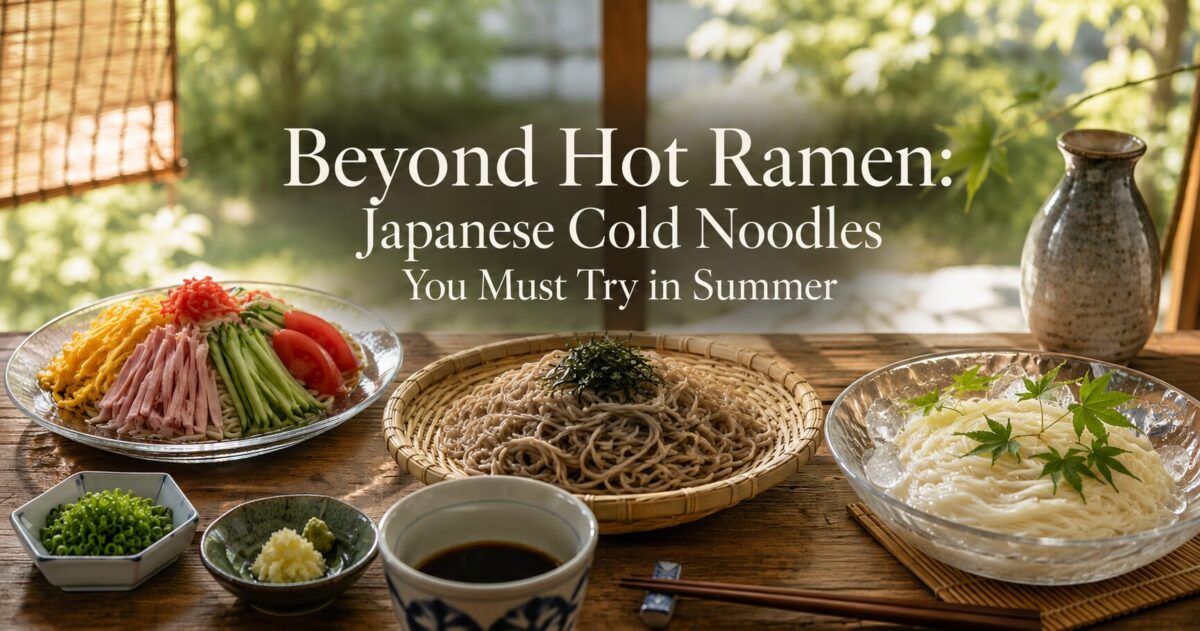
Many foreign visitors are surprised when they discover that Japan has far more than just hot ramen.
“Wait… Japan has cold noodles too?”
As mentioned in our previous article on How to Survive Japan’s Brutal Summer, Japan’s summers are extremely hot and humid. During this season, many people experience natsu-bate (summer fatigue), which often causes a loss of appetite.
To cope with the heat, Japanese people have long enjoyed eating chilled noodles. While many people overseas associate noodles with hot dishes, Japan offers a wide variety of cold noodle dishes that are enjoyed only during the summer months.
These are not simply hot noodles served cold—they are dishes that have evolved alongside Japan’s climate and seasonal food culture.
Why Do Japanese People Eat Cold Noodles?
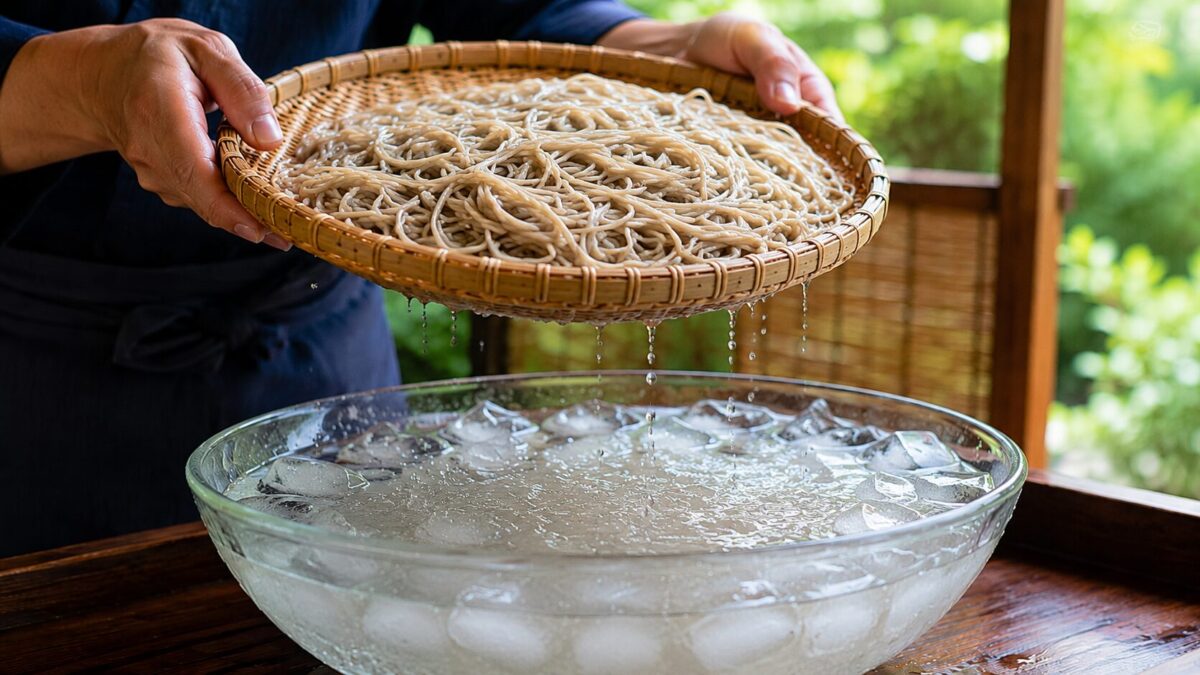
One of the secrets behind Japanese cold noodles is the way they are prepared. After boiling, the noodles are rinsed thoroughly in cold water or even ice water.
This process tightens the noodles, giving them a firmer texture and pleasant chewiness. It also creates what Japanese people call nodogoshi—the smooth sensation of noodles sliding effortlessly down the throat.
Cold noodles are also easier to eat when the summer heat reduces your appetite. Combined with refreshing dipping sauces or chilled dashi broth, they provide a light yet satisfying meal.
Presentation is another important part of the experience. Glass bowls, ice cubes, and colorful toppings such as green onions or shiso leaves help create a visual feeling of coolness before you even take your first bite.
Zaru Soba and Cold Udon
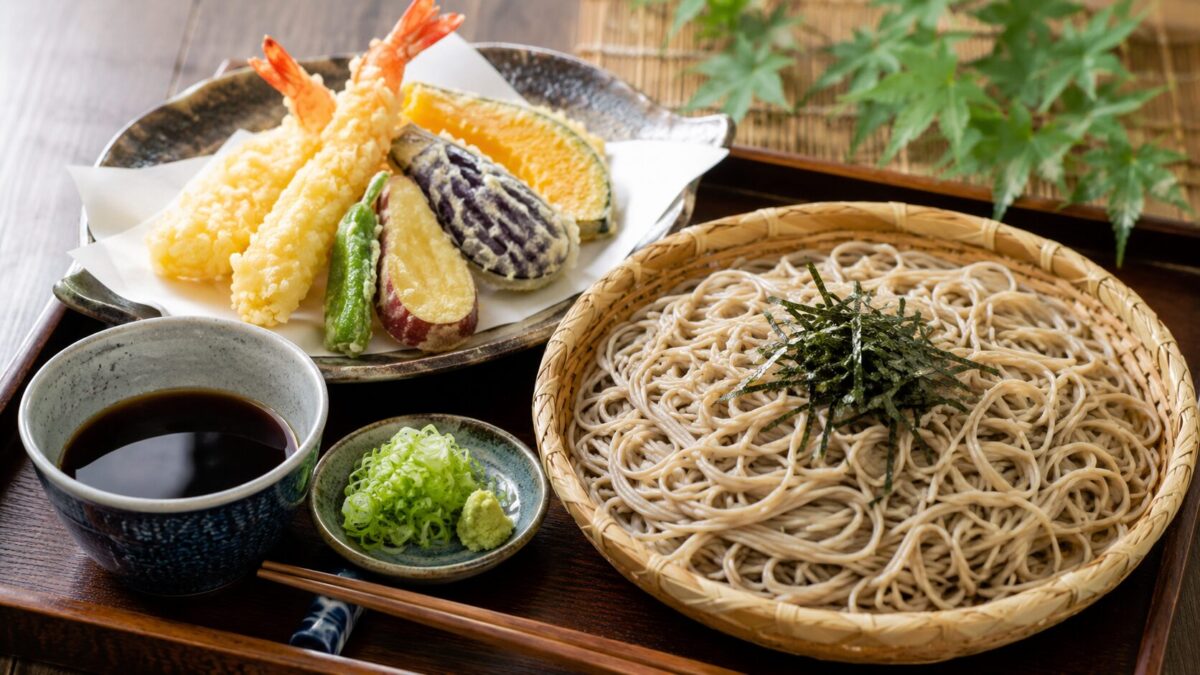
Zaru soba and cold udon are probably the most common cold noodle dishes in Japan.
The noodles are served separately from a dipping sauce called mentsuyu. Diners dip each bite into the sauce before eating, often adding green onions, wasabi, grated ginger, or shichimi chili pepper to adjust the flavor.
These dishes are available almost everywhere—from specialty soba and udon restaurants to train stations, convenience stores, and supermarkets.
I also eat cold noodles frequently during Japan’s hot summers. For lunch, I often choose somen or zaru soba.
When I’m out, I sometimes buy them from a convenience store. On weekends, I buy dried noodles from the supermarket, boil them at home, and chill them thoroughly in cold water before eating.
The fresh aroma of green onions, the spicy kick of grated ginger, and the gentle heat of shichimi chili pepper help stimulate my appetite even on the hottest days. For me, they’re an essential part of summer.
Hiyashi Chuka: A Sign That Summer Has Arrived
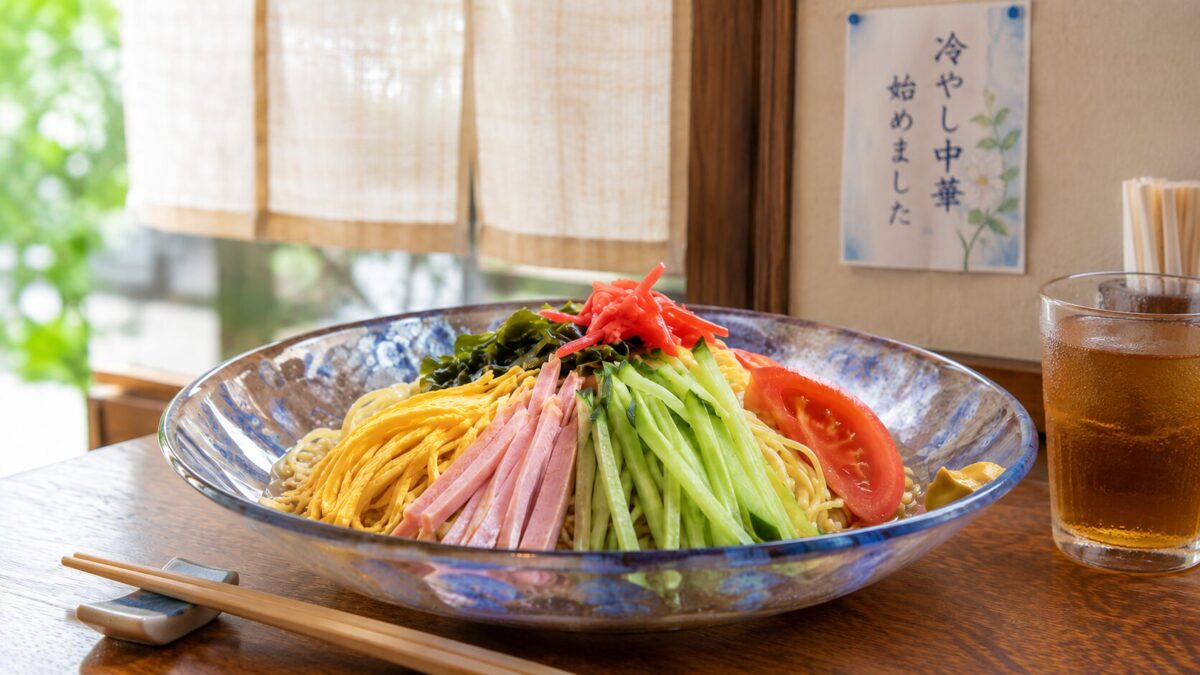
Hiyashi Chuka is one of Japan’s iconic summer dishes.
It features chilled Chinese-style noodles topped with colorful ingredients such as shredded egg, cucumber, ham, and tomatoes. The noodles are dressed with either a sweet-and-tangy soy-based sauce or a creamy sesame sauce.
One interesting thing about Hiyashi Chuka is that it isn’t available all year.
As summer approaches, restaurants begin displaying signs that read “Hiyashi Chuka Hajimemashita” (“Hiyashi Chuka is now available”). Convenience stores also fill their shelves with promotional displays announcing the arrival of the seasonal dish.
For many Japanese people, seeing these signs is a reminder that another hot summer has begun.
It’s a perfect example of Japan’s love for enjoying foods that are tied to a particular season.
Somen and Nagashi Somen
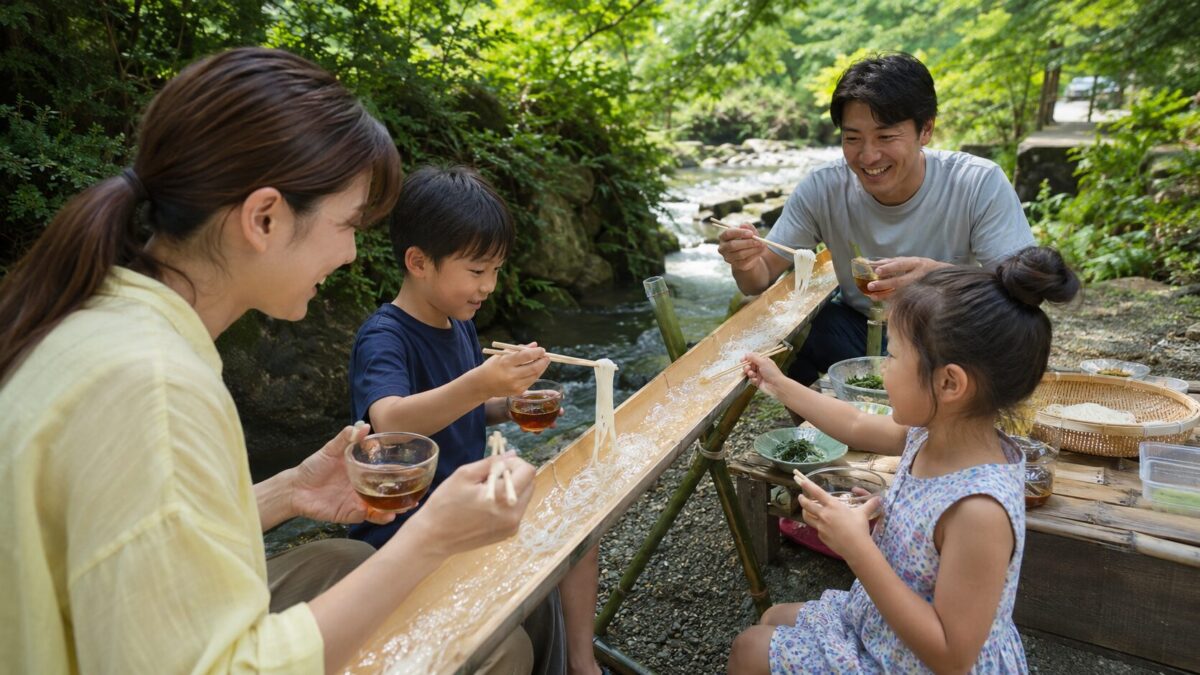
Somen are among the thinnest noodles in Japan and have long been a classic summer lunch at home.
They’re usually served ice-cold with a light dipping sauce and simple toppings, making them incredibly refreshing on hot days.
There is also a uniquely Japanese way to enjoy them: Nagashi Somen.
In this traditional summer activity, somen noodles flow through a bamboo flume filled with running water, and diners catch them with chopsticks before dipping them into sauce.
It’s more than just a meal—it’s a fun summer event shared with family and friends.
When I was a child, my relatives would gather at my father’s family home in the countryside. Surrounded by nature, we would enjoy Nagashi Somen together, laughing as we tried to catch the noodles. Even today, those memories instantly come back whenever summer arrives.
Tsukemen: Cold Noodles with Rich Dipping Broth
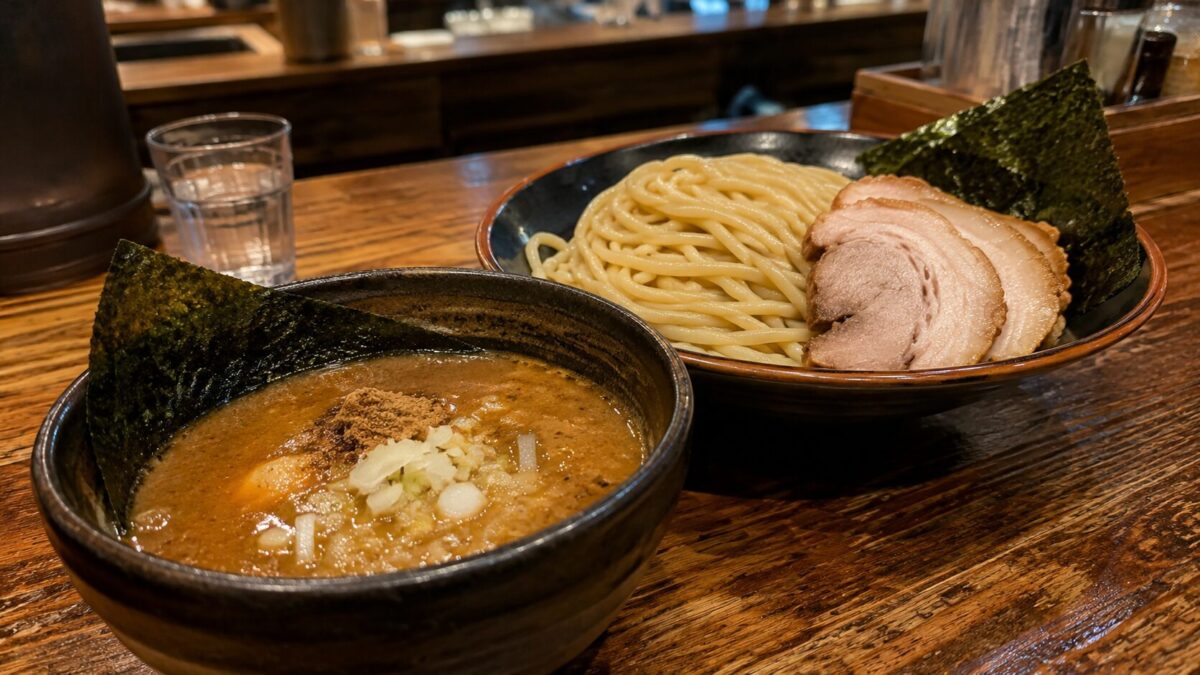
If you enjoy ramen, Tsukemen is another dish worth trying.
Unlike regular ramen, the noodles and broth are served separately. The noodles are chilled until firm, while the rich, concentrated broth is usually served hot.
You dip each bite into the broth before eating, creating a satisfying contrast between the cool noodles and the warm, flavorful soup.
With its hearty portion and bold flavors, Tsukemen is especially popular with ramen lovers.
Regional Cold Noodles Across Japan
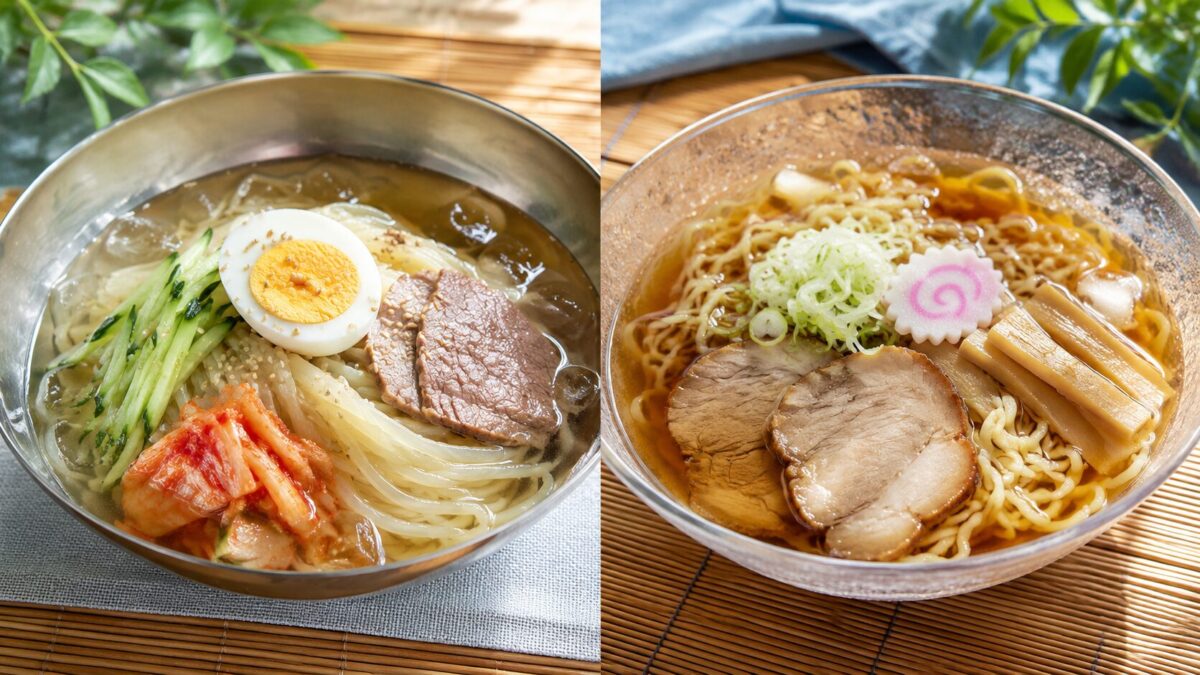
Japan also has many regional cold noodle specialties.
Morioka Reimen, from Iwate Prefecture, features chewy noodles served in a refreshing cold broth and is especially popular at yakiniku restaurants.
Another unique dish is Yamagata Hiyashi Ramen, a ramen served with completely chilled soup. It was created as a way to enjoy ramen even during the region’s hot summers.
These regional dishes show how local climates and food traditions have inspired different styles of cold noodles throughout Japan.
Cold Noodles Are Japan’s Summer Wisdom
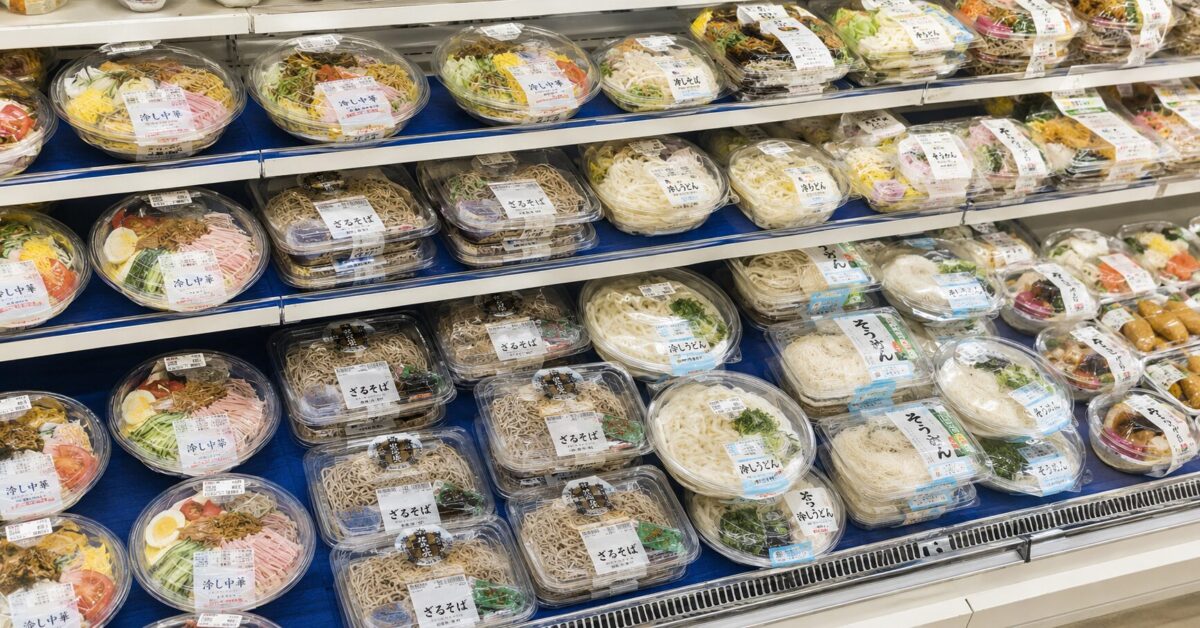
Japanese cold noodles are much more than simply chilled versions of hot dishes.
Every detail—from the firm texture of the noodles and their smooth nodogoshi, to the refreshing dashi, aromatic toppings, and cool presentation—is carefully designed to make eating enjoyable even during Japan’s hottest months.
They’re also incredibly easy to find, whether at specialty restaurants, supermarkets, or convenience stores, making them a part of everyday summer life in Japan.
If you’re visiting Japan during the summer, don’t limit yourself to hot ramen. Be sure to try the country’s refreshing cold noodles—you may discover a whole new side of Japanese food culture.