
Many first-time visitors to Japan are surprised when they step into a Japanese bakery.
Instead of finding only loaves of bread and croissants, they see shelves filled with anpan, melon pan, curry bread, yakisoba bread, croquette bread, and many other varieties. Sweet breads and savory breads sit side by side, while customers walk through the shop with a tray and tongs, choosing their favorites one by one.
Although bread originally came to Japan from overseas, it did not remain the same. Over time, it was adapted to suit Japanese tastes, eating habits, and everyday life.
Why is Japanese bread so soft? Why are there so many different kinds? And how did ingredients like sweet red bean paste, curry, and even stir-fried noodles become fillings for bread?
Let’s explore how Japan developed its own unique bread culture.
How Bread Became Part of Everyday Life in Japan

Bread first arrived in Japan in the mid-16th century, when Portuguese traders introduced it through Nagasaki. Even the Japanese word for bread, pan, comes from the Portuguese word pão.
At first, however, bread was far from an everyday food. Rice was the center of the Japanese diet, and bread never became widely established. During Japan’s period of national isolation, bread largely disappeared before gradually returning in the late Edo and Meiji periods.
As Western culture spread during the Meiji era, bread slowly became more common, especially in cities. Rather than eating European-style bread exactly as it was, Japanese bakers began adapting it by making it sweeter and combining it with familiar local ingredients.
After World War II, bread became much more familiar through the national school lunch program. Until rice was officially introduced into school lunches in 1976, soft bread rolls were a staple meal for generations of children.
Instead of replacing rice entirely, bread found its place alongside it—as a popular choice for breakfast, lunch, and light meals.
Bread Became Softer to Match Japanese Tastes

One of the defining characteristics of Japanese bread is its soft texture.
In Japan, words like fluffy, moist, and chewy are often used as compliments for food. Rather than a thick crust or a firm bite, many people prefer bread that is light, tender, and easy to eat.
For this reason, Japanese sandwich bread and sweet breads often contain ingredients such as sugar, milk, eggs, butter, or margarine in addition to flour, water, yeast, and salt. These ingredients not only add flavor but also help keep the bread soft for longer.
Japanese baking techniques also contribute to the texture. Careful control of hydration, kneading, fermentation, and methods such as yudane, a hot dough starter, create bread that is moist, fluffy, and slightly chewy.
Soft bread is easy to eat without toasting, making it suitable for everyone from young children to older adults. It also works well for sandwiches, snacks, and quick breakfasts, fitting naturally into everyday Japanese life.
Of course, Japan also has bakeries that specialize in baguettes, country bread, and other European-style loaves. But looking at the bread sold in supermarkets and convenience stores, it is easy to see how highly softness is valued in Japan.
Sweet Breads That Blend Japanese and Western Flavors
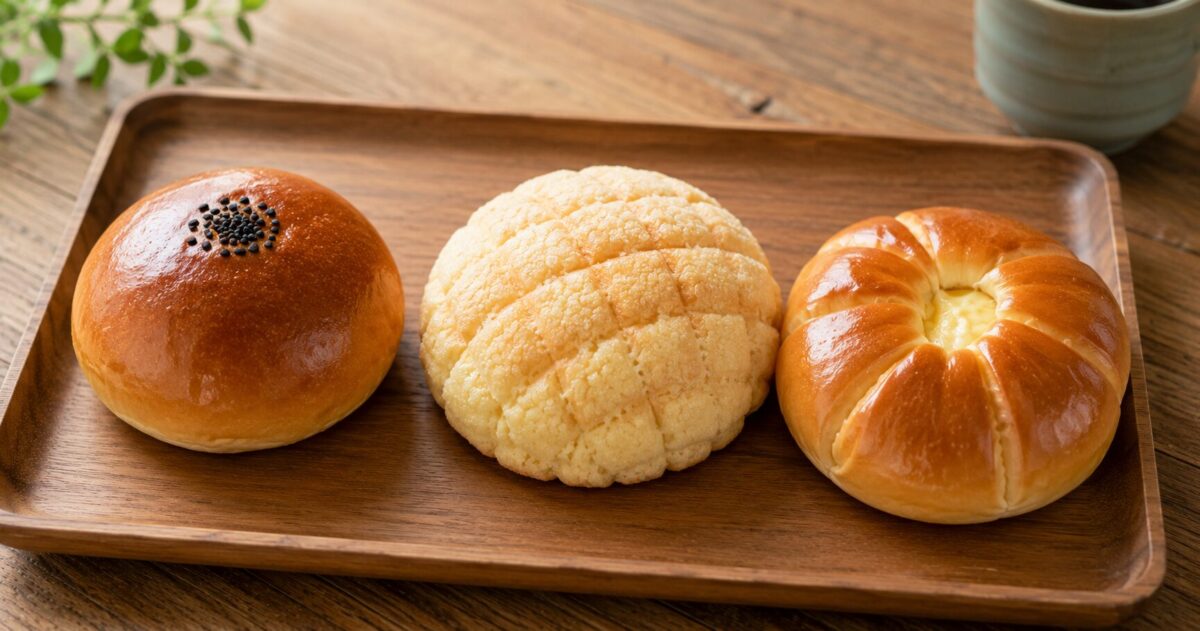
Perhaps nothing represents Japanese bread culture better than kashipan, or sweet breads.
Unlike many Western pastries, Japanese sweet breads often combine European baking techniques with traditional Japanese ingredients.
The best-known example is anpan, a soft bun filled with sweet red bean paste. By placing a classic Japanese confectionery filling inside Western-style bread, bakers created something entirely new.
Another favorite is cream pan, a soft bun filled with custard cream, while melon pan features a crisp, cookie-like topping over a fluffy interior. Despite its name, traditional melon pan usually contains no melon flavor.
Today, bakeries also create seasonal breads using ingredients such as matcha, cherry blossoms, sweet potatoes, and chestnuts.
As a result, bread in Japan became more than a staple food—it also developed into a popular snack and seasonal treat.
Savory Breads That Can Be a Meal
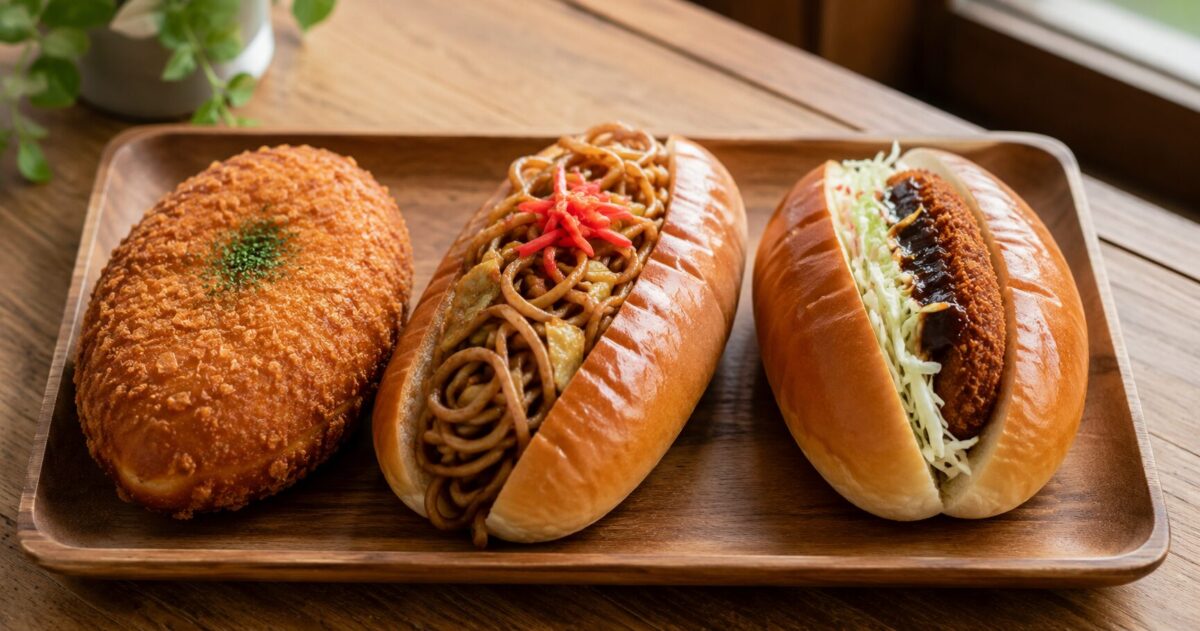
Alongside sweet breads, Japanese bakeries are famous for savory breads, known as sōzai pan.
These breads combine bread with ingredients such as meat, vegetables, noodles, or curry to create a quick, satisfying meal.
One of the best-known examples is curry bread, which wraps Japanese-style curry inside bread dough before coating it with breadcrumbs and frying it until crispy.
Another uniquely Japanese creation is yakisoba bread, a long bread roll filled with stir-fried noodles. Combining bread and noodles may seem unusual to many visitors, but in Japan it has long been a familiar snack found in school stores, bakeries, and convenience stores.
Other popular examples include croquette bread, sausage rolls, egg sandwiches, and pork cutlet sandwiches.
These breads are portable, filling, and easy to eat without plates or utensils, making them ideal for students, office workers, and anyone looking for a quick meal.
Rather than treating bread simply as a staple, Japan turned it into a versatile base for all kinds of dishes.
Beyond sweet breads and savory buns, Japanese bakeries and convenience stores are also famous for their sandwiches. Among them, the Japanese egg sandwich has become one of the country’s most iconic bakery-style foods.
If you’re curious about why it’s so affordable, creamy, and popular, be sure to read our related article:Why Are Japanese Egg Sandwiches So Cheap and Delicious?
Japanese Bakeries Offer Incredible Variety
Japan is home to a wide variety of bakeries.
There are family-run neighborhood bakeries, large chain stores in train stations and shopping centers, supermarket bakeries, cafés with fresh bread, and specialty shops focusing on French bread or naturally fermented loaves.
A typical Japanese bakery often sells everything from sandwich bread and sweet breads to savory breads, croissants, and baguettes. Traditional European breads are displayed alongside creations found only in Japan.
The shopping experience is also distinctive. In many bakeries, customers take a tray and a pair of tongs at the entrance before selecting each bread individually.
Browsing the shelves, choosing freshly baked items, and discovering seasonal specialties has become part of the enjoyment of visiting a Japanese bakery.
In Japan, bakeries are not simply places to buy bread—they are places to explore a remarkable variety of flavors.
Japanese Bread Continues to Evolve

Japanese bread culture is still evolving today.
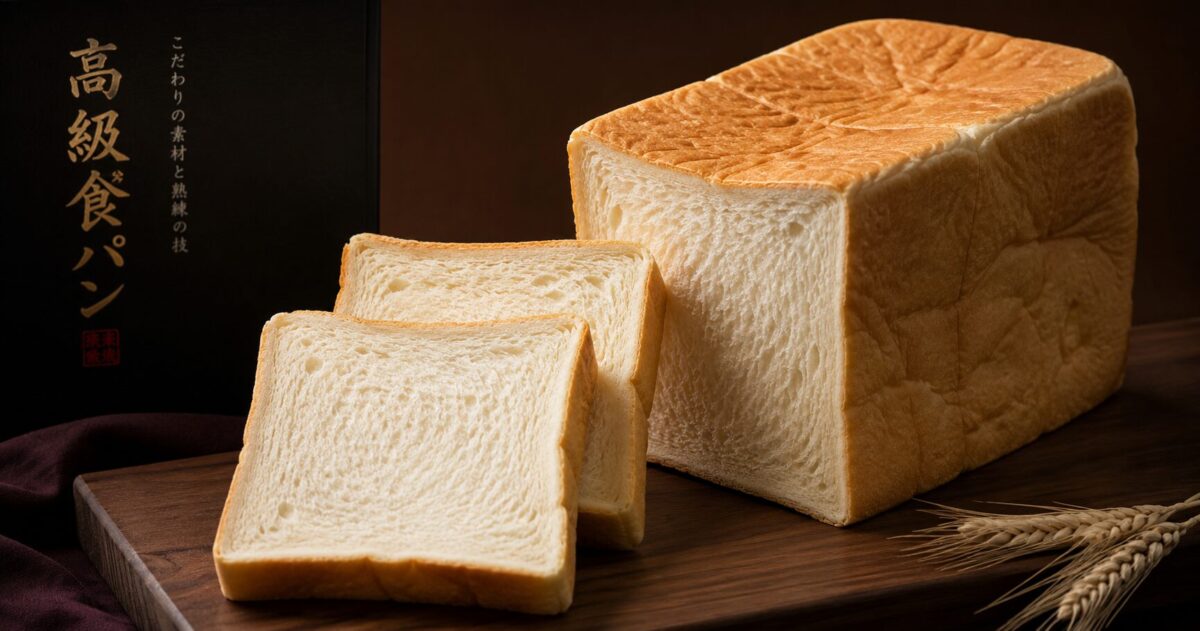
In recent years, luxury sandwich bread has attracted attention, with specialty bakeries selling premium loaves designed to be enjoyed without toasting because of their exceptional softness and sweetness.
At the same time, bakeries now offer rice flour bread, low-carbohydrate bread, whole wheat bread, and plant-based options to meet changing lifestyles and dietary preferences.
Yet classic favorites such as anpan, cream pan, melon pan, and curry bread remain just as popular as ever.
Traditional recipes and new ideas continue to exist side by side, allowing Japanese bread culture to keep growing without losing its roots.
Japanese Bread Is a Reflection of Everyday Life
Japanese bread is unique not simply because it is soft or because there are so many varieties.
It is unique because Japan took a food from overseas and reshaped it to fit its own tastes, lifestyle, and culture. Sweet red bean paste, curry, yakisoba, and seasonal ingredients all found their way into bread, creating something that feels distinctly Japanese.
Today, bread is enjoyed for breakfast, lunch, snacks, and light meals. Alongside traditional European-style loaves, sweet breads and savory breads have become an essential part of everyday life.
In other words, Japanese bread is not just an imitation of Western bread. It is a food culture that evolved into something entirely its own.
When you visit Japan, do not stop at the convenience store. Step into a local bakery, pick up a tray and a pair of tongs, and try classics like curry bread, melon pan, or yakisoba bread.