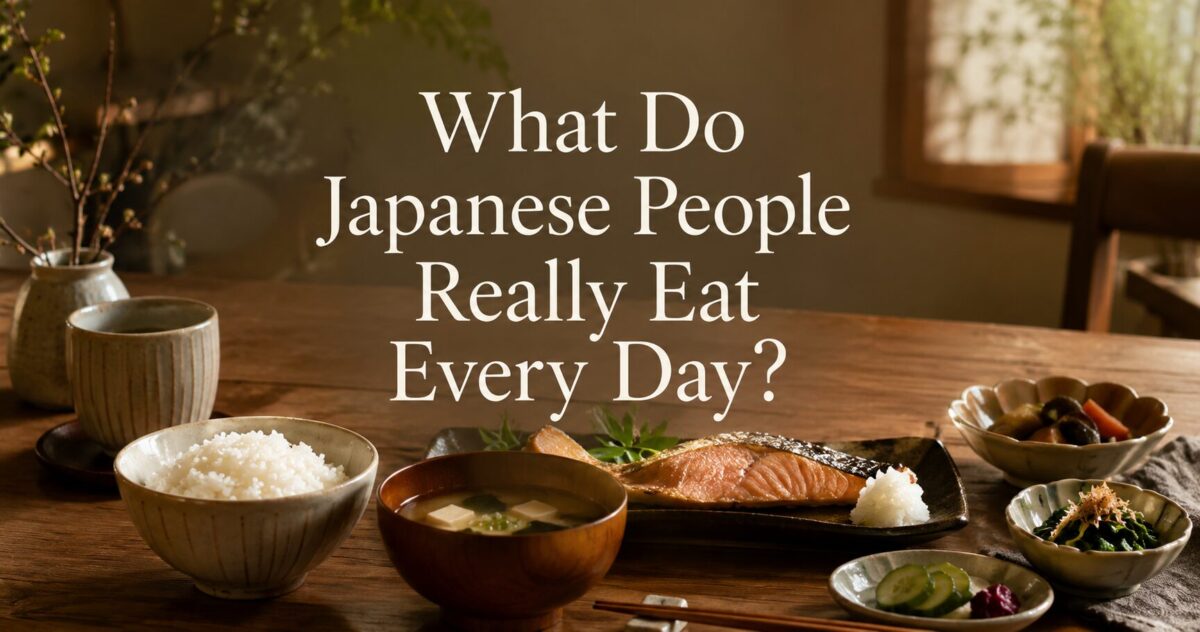
When people outside Japan hear the words “Japanese food,” many may think of sushi, ramen, and tempura.
Of course, these are all well-known Japanese dishes. But people living in Japan do not eat this kind of food every day.
The reality is much more ordinary—and much more varied.
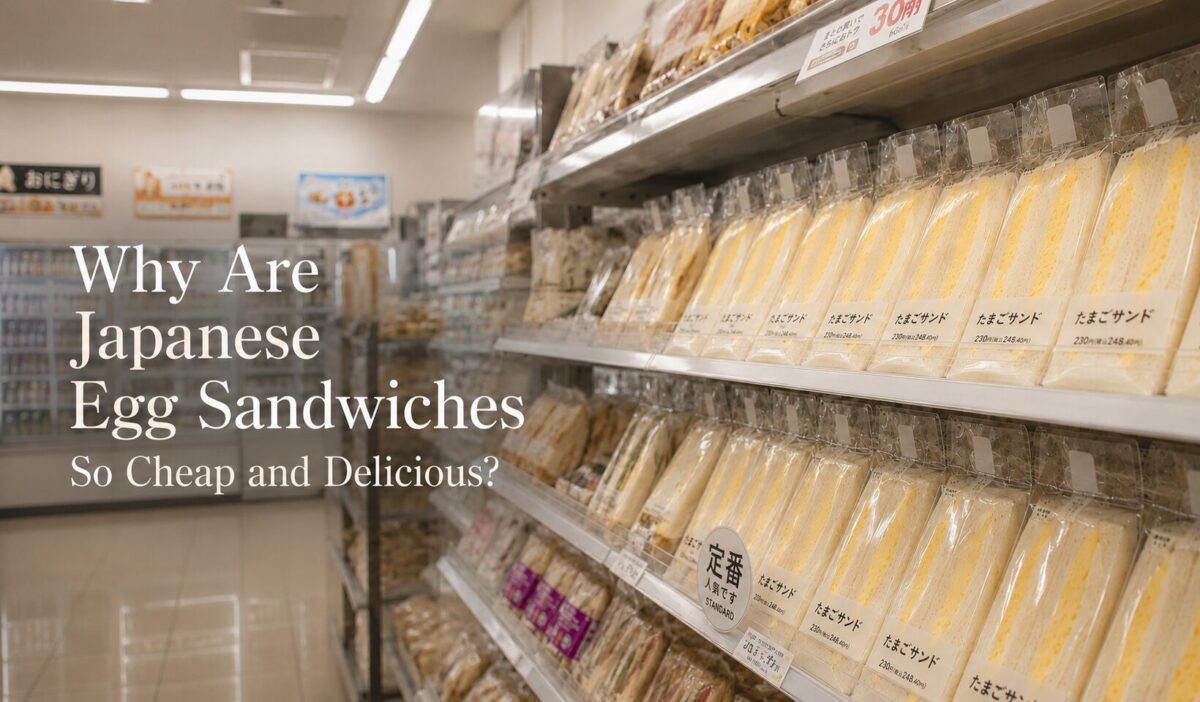
Breakfast might be toast and coffee. Lunch could be a bento or a quick bowl of noodles. Dinner may be rice and miso soup served with hamburger steak. On busy days, people might also rely on supermarket side dishes or convenience-store rice balls.
Everyday meals in Japan include not only traditional washoku, but also foods such as curry rice, pasta, and dumplings—dishes with foreign roots that have become a natural part of daily life in Japan.
So, what do Japanese people really eat every day?
In this article, we will briefly look at the difference between washoku and Japanese food, then take a closer look at breakfast, lunch, and dinner in everyday Japan.
- What Is the Difference Between Washoku and Japanese Food?
- Japanese Home Cooking Is Not Only Washoku
- Breakfast: Some Prefer Rice, Others Prefer Bread
- Lunch: Convenience Comes First
- Dinner: The Most Home-Like Meal of the Day
- Convenience Stores and Supermarkets Are Part of the Table
- Japan’s Everyday Table Is More Flexible Than It Seems
What Is the Difference Between Washoku and Japanese Food?
Before we look at what people in Japan eat every day, it helps to understand one small difference in Japanese terminology.
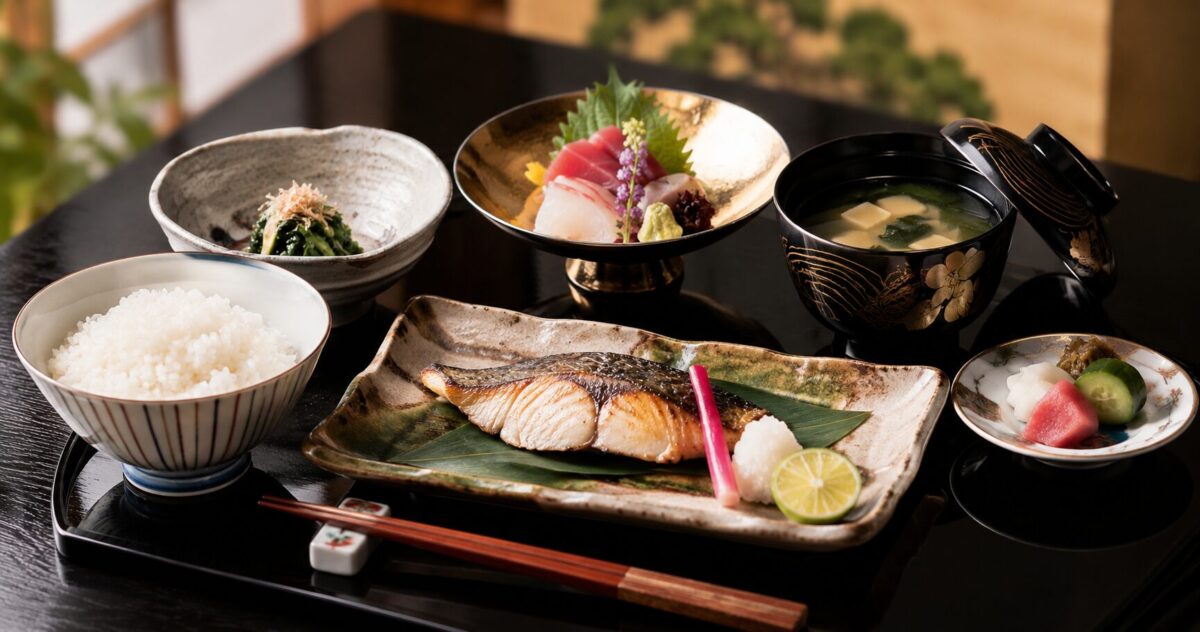
Washoku (和食) refers to Japan’s traditional culinary culture. It emphasizes seasonal ingredients, rice, soup, and dishes that have been passed down through generations. In 2013, Washoku was recognized as a UNESCO Intangible Cultural Heritage.
Japanese food, on the other hand, is a much broader term. It includes not only traditional Washoku, but also everyday favorites such as ramen, curry rice, omurice, hamburger steak, and many other dishes that have become part of daily life in Japan.
Japanese Home Cooking Is Not Only Washoku
Many people outside Japan assume that Japanese families eat Washoku every day.
In reality, everyday home cooking is much more varied.
Curry rice, omurice, hamburger steak, dumplings, mapo tofu, pasta, and cream stew are all common household dishes.
Many of them have roots outside Japan, but they have been adapted over time and have become part of everyday Japanese life.
Most people do not think of them as special foreign dishes. They are simply familiar meals that many have eaten since childhood.
In this article, we’re talking about Japanese food in everyday life—the meals that people in Japan actually eat from breakfast to dinner.
Breakfast: Some Prefer Rice, Others Prefer Bread
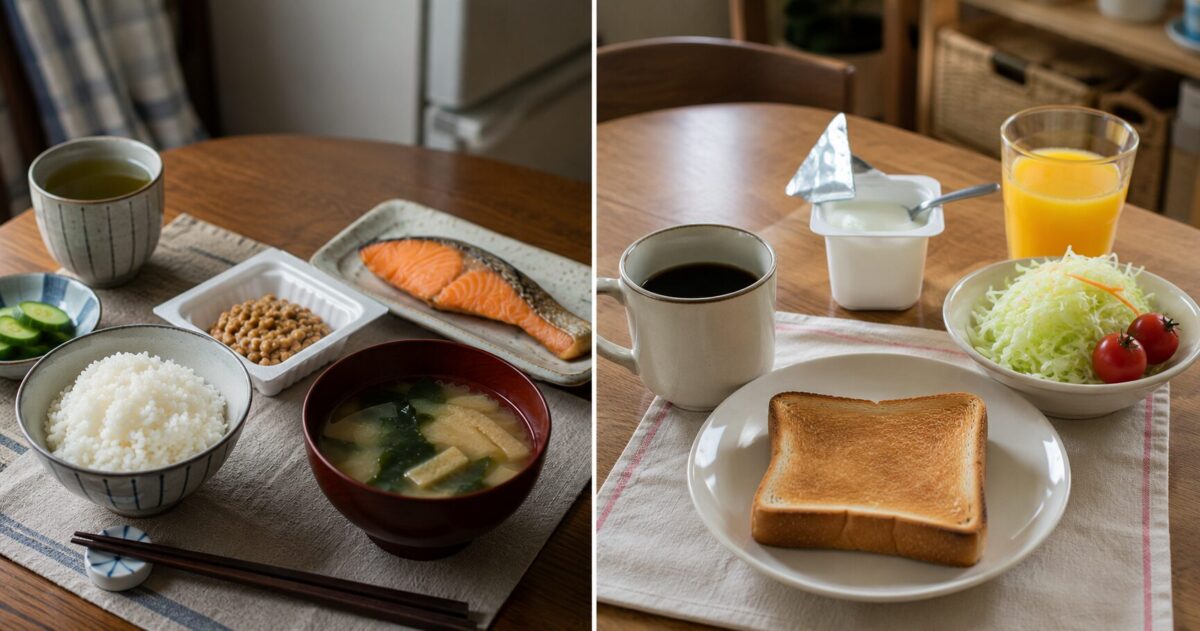
When you imagine a Japanese breakfast, you might picture a traditional meal of rice, miso soup, and grilled fish.
Some households still enjoy this kind of breakfast. Rice may be served with miso soup, natto, grilled fish, a raw egg, or a Japanese-style omelet.
However, bread is also a very common breakfast choice in modern Japan.
Toast with a fried egg, ham or sausage, yogurt, and coffee is an entirely ordinary Japanese breakfast. In some homes, bread is more familiar in the morning than rice.
Busy mornings often call for something even simpler. Some people eat a rice ball, a sweet bread roll, a banana, or a cup of yogurt. Others drink only coffee before leaving home.
Being Japanese does not mean eating a traditional Japanese breakfast every morning.
As for me, I usually have a salad, yogurt, and a cup of tea. It is not too heavy, and it feels like the right way for me to begin the day.
Lunch: Convenience Comes First
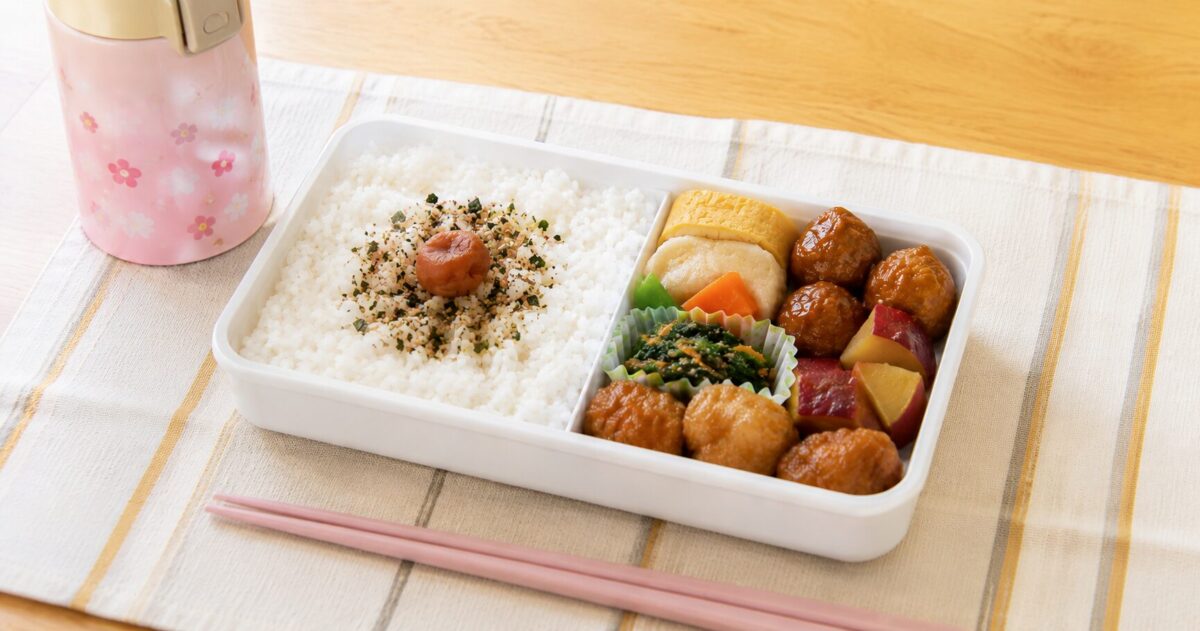
Lunch breaks for Japanese office workers and students are usually not very long.
Because of this, speed and convenience are important when choosing what to eat.
Some people bring a homemade bento, while others buy rice balls, sandwiches, or a boxed lunch from a convenience store.
Many office workers also visit nearby restaurants for quick meals such as curry rice, gyudon, soba, udon, or ramen. Students may eat a school lunch or bring a bento prepared at home.
Lunch on the weekend can feel a little different.
On days when cooking seems like too much trouble, people may prepare something simple, such as udon, pasta, ramen, fried rice, or a rice bowl.
Families may also visit a café, a fast-food restaurant, or a casual family restaurant. Food-delivery services such as Uber Eats have also become a familiar option, especially for households with children.
Dinner: The Most Home-Like Meal of the Day
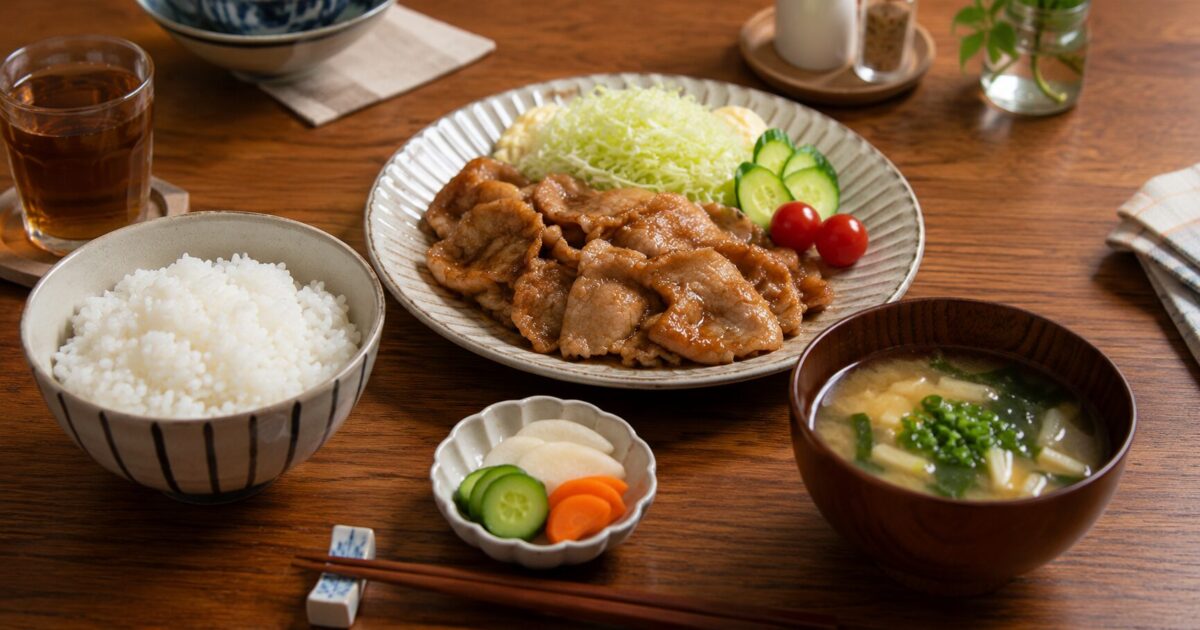
Dinner is often the most relaxed and home-like meal of the day.
Many households serve rice and miso soup with dishes such as grilled fish, karaage fried chicken, stir-fried vegetables, or hamburger steak.
However, dinner does not always follow a fixed format. Some evenings may be as simple as curry rice or a single hot-pot dish shared at the table.
Japanese home cooking changes from day to day.
Seasonal ingredients also continue to play an important role in everyday meals.
In spring, supermarkets display bamboo shoots, fresh onions, spring cabbage, bonito, and strawberries.
In summer, tomatoes, cucumbers, eggplants, and corn become more common. Cold dishes such as somen noodles and chilled soba are especially welcome during Japan’s hot and humid weather.
Autumn brings salmon, Pacific saury, mushrooms, sweet potatoes, grapes, and Asian pears.
During winter, warming dishes such as hot pot, sukiyaki, oden, and cream stew often appear on the dinner table.
The ingredients in supermarkets gradually change with the seasons. For many people in Japan, this is one of the small ways that the passing of the year can be felt in everyday life.
Convenience Stores and Supermarkets Are Part of the Table
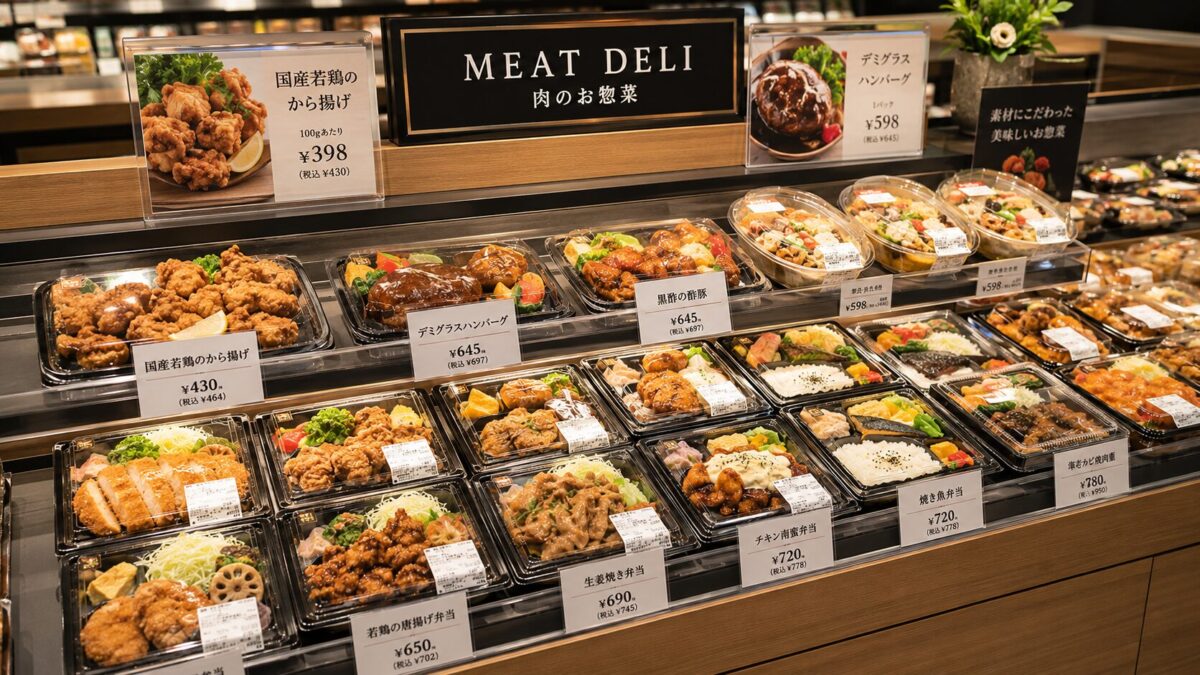
Not every household prepares every part of every meal from scratch.
On busy days, people often rely on supermarket side dishes, frozen food, ready-made curry, convenience-store rice balls, or boxed lunches.
A family might cook rice and miso soup at home while buying karaage or croquettes from the supermarket.
Combining homemade food with ready-made dishes is completely normal in Japan.
Everyday eating is not always a choice between cooking everything at home and going out to eat. Often, it falls somewhere in between.
People prepare what they have time to make and buy the rest.
Convenience stores and supermarkets are therefore more than places to shop. They quietly support the daily meals of office workers, students, people living alone, older residents, and busy families.
Japan’s Everyday Table Is More Flexible Than It Seems
Everyday eating in Japan cannot be explained by sushi and tempura alone.
A person may eat bread for breakfast, a bento or noodles for lunch, and rice with a Western-style dish for dinner. On a busy day, convenience-store food may fill the gap. On the weekend, the meal might be pasta, curry, or something delivered to the door.
Traditional Japanese food remains important, but new dishes and convenient options have also been absorbed naturally into daily life.
This flexibility may be one of the clearest characteristics of the Japanese table.
From the outside, Japanese food can appear special, refined, and carefully arranged. For the people who live here, however, everyday meals are usually much more casual.
And perhaps that is exactly why an ordinary table can reveal so much about everyday life in Japan.