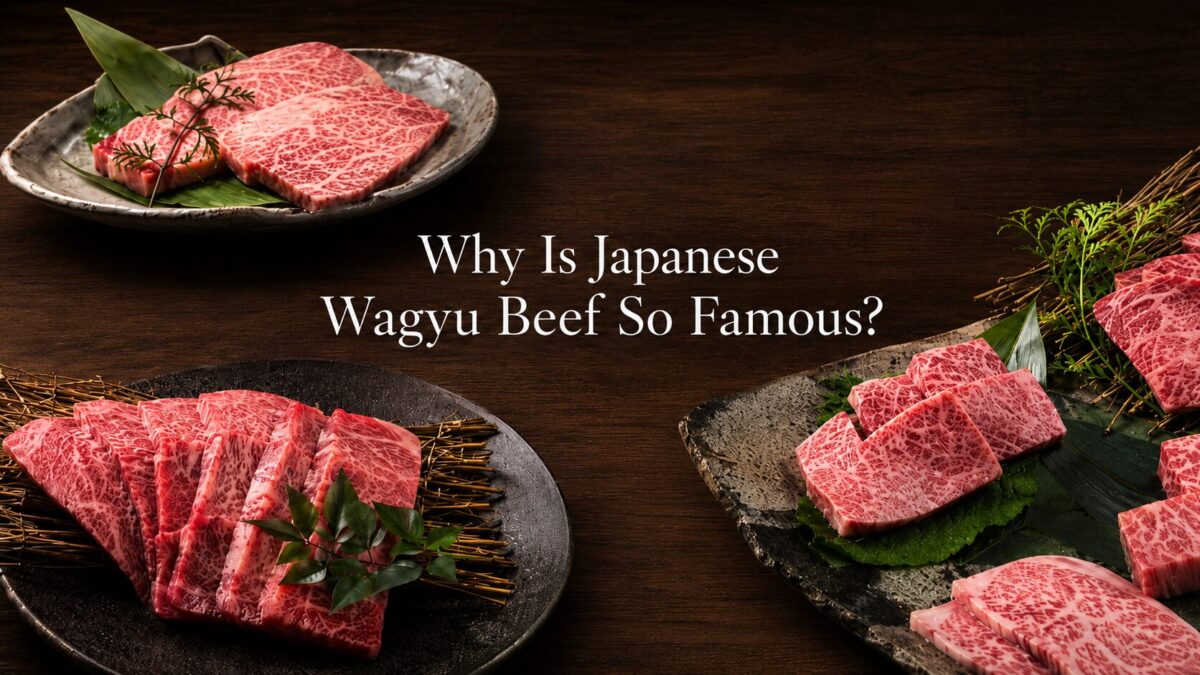
For many international travelers visiting Japan, Wagyu has become just as famous as sushi and ramen.
Today, it’s common to see “Wagyu” on the menus of fine dining restaurants around the world, and many visitors look forward to trying authentic Wagyu as one of the highlights of their trip to Japan.
For Japanese people, however, Wagyu isn’t something that exists only in luxury restaurants.
It can also be enjoyed in surprisingly familiar places, from yakiniku restaurants and sukiyaki dinners to supermarkets and department store food halls.
So why has Wagyu become such a special food around the world?
What Exactly Is Wagyu?
The first thing to know is that “Wagyu” doesn’t simply mean “Japanese beef.”
The word consists of two Japanese characters: wa, meaning Japan, and gyu, meaning cattle.
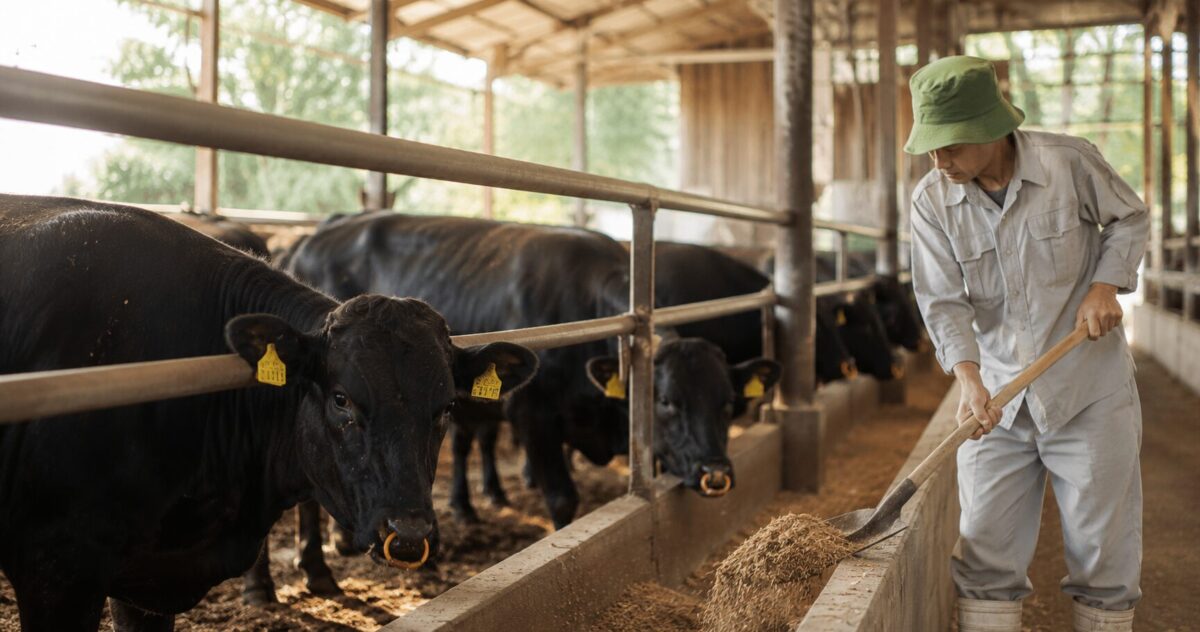
However, Wagyu refers to specific native Japanese cattle breeds. Only a limited number of breeds, including the famous Japanese Black, can officially be called Wagyu.
Although the name “Wagyu” has become well known overseas, Japan has strict standards that define what Wagyu actually is.
Japan is also home to many famous Wagyu brands. Kobe Beef, Matsusaka Beef, and Omi Beef are among the most well known, while Yonezawa Beef and Hida Beef are also highly regarded throughout the country.
While traveling in Japan, you may notice labels such as “A5 Wagyu.”
The letter “A” refers to the meat yield, while the number from 1 to 5 represents the quality of the meat.
A5 is the highest grade, but that doesn’t necessarily mean everyone prefers it. Some people actually choose A4 or A3 because they offer a slightly lighter balance of marbling while still delivering excellent flavor.
The Roots of Wagyu Can Be Found in Tajima, Hyogo
Even Wagyu, now famous around the world, has a long history.
Its origins can be traced back to Japan’s native cattle, which were once raised not for meat, but for farming and transporting goods.
At that time, cattle were valuable working animals that supported everyday life.
During the Meiji era (1868–1912), beef gradually became part of the Japanese diet, and breeders began carefully improving cattle for meat production.
Among the most important ancestors of today’s Japanese Black cattle is Tajima cattle, which were raised in the Tajima region of northern Hyogo Prefecture.
Many Japanese Black cattle today are believed to trace their bloodline back to a famous breeding bull named Tajiri-go, born in the early Showa period. For this reason, Tajiri-go remains an essential figure in the history of Wagyu.
In other words, Wagyu did not become a world-famous brand overnight.
It is the result of generations of careful breeding, local knowledge, and the dedication of Japanese cattle farmers.
Why Does Wagyu Melt in Your Mouth?
Many first-time visitors to Japan have the same reaction after tasting Wagyu.
“It melts in your mouth like butter.”
Comments like this are common on social media, YouTube, and travel blogs.
There is actually a reason for this texture.
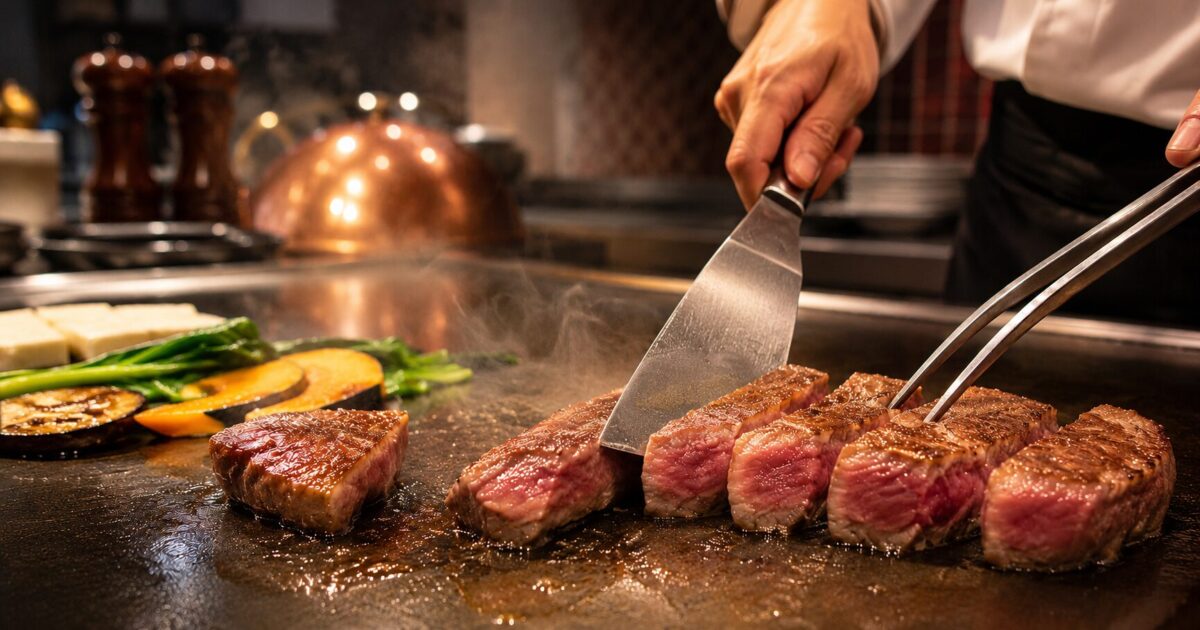
The most distinctive feature of Wagyu is its beautiful marbling. In Japanese, this is called sashi, and it refers to the fine streaks of fat spread throughout the meat.
Wagyu fat also generally has a lower melting point than the fat found in many other types of beef.
As the beef warms in your mouth, the fat begins to soften quickly, creating the rich yet smooth texture that makes Wagyu feel almost like butter.
Of course, not every cut of Wagyu is heavily marbled.
But over many generations, Japanese producers have carefully refined the balance of tenderness, aroma, fat quality, and natural umami.
This long history of improvement and craftsmanship is what gives Wagyu its unforgettable flavor.
For many travelers, the experience stays with them long after they return home.
Raised with Extraordinary Care
Wagyu is expensive not simply because it is rare.
It is expensive because every animal receives exceptional care.
Each calf is assigned a unique identification number, allowing its history to be tracked throughout its life.
Farmers carefully monitor each animal’s health, diet, and growth every day.
You may have heard stories about Wagyu cattle listening to music or drinking beer, but these practices are only used by a small number of farms.
What is true across many Wagyu farms is the dedication to raising each animal with patience and attention.
Like a skilled craftsperson creating a work of art, Wagyu farmers invest an enormous amount of time and care into every animal.
That craftsmanship is one of the reasons Wagyu has earned such a remarkable reputation.
Wagyu Isn’t Just for Luxury Restaurants
Outside Japan, Wagyu is often seen as something reserved for expensive restaurants.
In Japan, however, it’s a little more familiar.
That doesn’t mean Japanese people eat Wagyu every day.
In fact, chicken is the meat most commonly eaten in Japan, followed by pork. Beef comes after that and is generally considered more of a treat than an everyday staple.
Many families enjoy Wagyu on special occasions, during holiday gatherings, or simply as a reward after working hard.
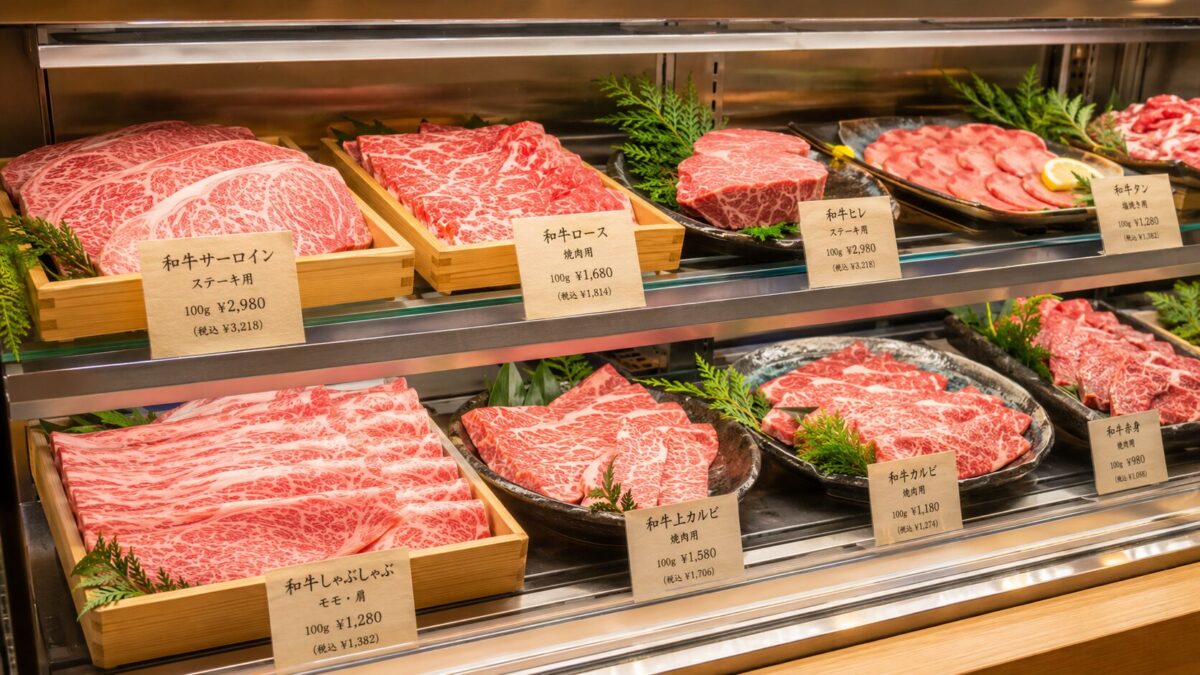
You can also find small portions of Wagyu at local supermarkets.
Yakiniku restaurants often offer affordable Wagyu lunch sets.
Department store food halls sell Wagyu croquettes and Wagyu minced beef cutlets.
Many families also enjoy Wagyu in dishes like sukiyaki and shabu-shabu when celebrating together.
For many Japanese people, Wagyu represents “a luxury that’s still within reach.”
Since I live in Osaka, whenever I’m in the mood for good beef, I often buy Kyoto Beef from a nearby supermarket.
Sometimes I grill it for yakiniku, and during the colder months, my family enjoys it in a pot of sukiyaki.
It’s more affordable than eating at a restaurant, and it’s a wonderful way for everyone to relax and enjoy a meal together at home.
Where Can Travelers Experience Authentic Wagyu?
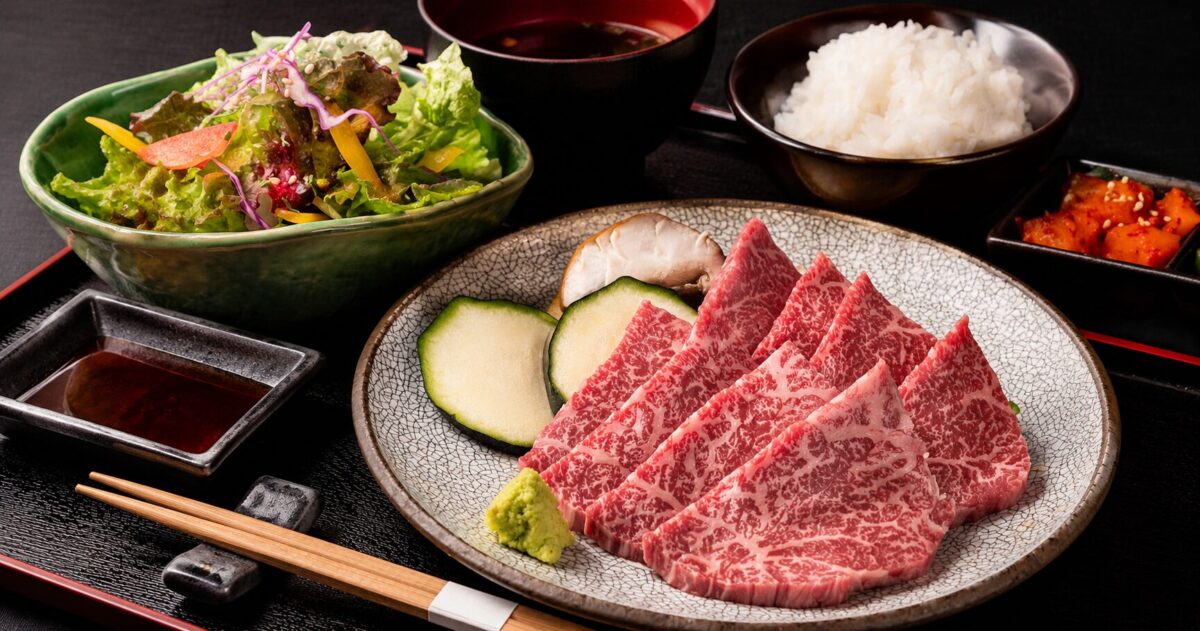
You don’t need to spend hundreds of dollars at a luxury restaurant to enjoy authentic Wagyu in Japan.
There are plenty of affordable ways for travelers to experience it.
Yakiniku lunch sets.
Sukiyaki set meals.
Shabu-shabu lunches.
Prepared foods from department store food halls.
Wagyu hamburg steaks.
Wagyu croquettes.
Or even fresh Wagyu from a local supermarket.
In Japan, luxury restaurants aren’t the only place to enjoy great Wagyu.
While traveling, I recommend trying it in different settings. Each offers a slightly different way to experience Japanese food culture.
Wagyu Is More Than Just Expensive Beef
Wagyu became famous around the world not simply because it’s expensive.
Behind every cut of Wagyu are years of careful breeding, a relentless pursuit of quality, and a genuine desire to create something people will truly enjoy.
These values reflect the spirit of Japanese craftsmanship, where improvement comes through patience, dedication, and attention to detail.
Wagyu is more than just beef.
It represents the skill of cattle farmers, generations of selective breeding, and a food culture that values quality over quantity.
If you have the chance to visit Japan, don’t limit yourself to a luxury steakhouse.
Try Wagyu at a neighborhood yakiniku restaurant, enjoy a croquette from a department store food hall, or buy a small portion from a local supermarket.
You may discover that Wagyu isn’t only a luxury food—it’s also a small but meaningful part of everyday life in Japan.